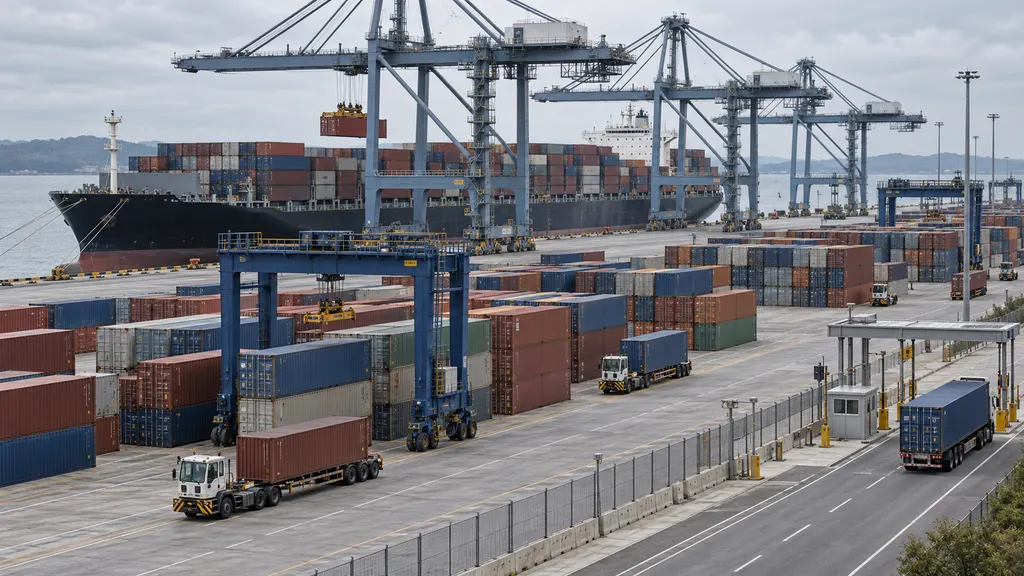
How to Ship Artwork Internationally: Packing, Customs, Insurance, and Tracking
To ship artwork internationally, protect it against vibration, moisture, punctures, and temperature changes; prepare accurate customs documents; confirm whether the work or its materials require permits; arrange suitable insurance; and use trackable transport with a clear handoff plan. The safest process starts with identifying the artwork, its value, destination, materials, and required delivery date before choosing a carrier or packing method.
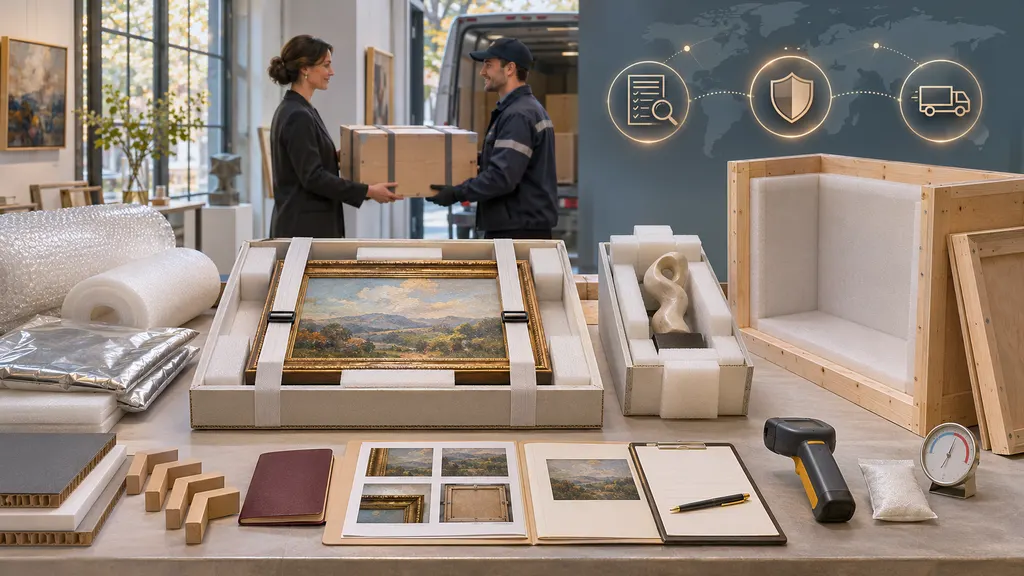
A framed print, an unframed canvas, a sculpture, and an antique may need very different packaging and customs treatment. The instructions below are a practical framework for artists, galleries, collectors, and small businesses. Carrier rules, import taxes, insurance terms, and cultural-property regulations vary by origin, destination, and shipment value, so verify the final requirements with the carrier and relevant customs authorities.
1. Assess the artwork before choosing a shipping method
Record the details that will affect handling, documentation, and cost. Create a short condition and shipping file containing:
- The artwork’s title, creator, medium, dimensions, weight, and date of creation, if known.
- Whether it is framed, glazed, mounted, rolled, crated, or shipped as separate components.
- The sale price or declared value, currency, and proof of value such as an invoice, appraisal, or gallery record.
- The materials used, including wood, ivory, animal products, plant materials, fossils, liquids, batteries, or other regulated components.
- The origin of the artwork and the destination country, including the complete delivery address and a reachable recipient.
- Any special conditions, such as “do not bend,” upright transport, controlled handling, or a required delivery appointment.
This assessment helps determine whether parcel shipping is appropriate. A small, robust, low-risk work may be suitable for a standard international parcel service. A large, fragile, high-value, or historically significant work may require a specialist art handler, freight forwarder, custom crate, or destination-side appointment.
2. Choose the right packing method
Unframed prints, photographs, and works on paper
Keep the work flat unless the paper or printmaker specifically permits rolling. Use a clean protective sleeve or archival-quality interleaving material, then place the work between rigid, larger-than-artwork boards. The boards should prevent bending without pressing directly against a delicate surface. Add corner protection and place the protected bundle in a rigid mailer or a double-wall box with cushioning around all sides.
Do not allow adhesive tape, bubble wrap texture, or rough cardboard to touch the artwork. For valuable or sensitive paper, ask a conservator or specialist packer whether the chosen plastic, paper, or foam is suitable for long-distance transport.
Canvases and framed artwork
Protect the surface first, then protect the frame. A framed work with glass needs particular care because a broken pane can damage the artwork and create a safety hazard. Consider a protective film or cross-taping approach only when it is appropriate for the glazing and does not contact the artwork. Add corner guards, wrap the frame in a soft protective layer, and use a rigid outer box with clearance on every side.
For high-value or fragile pieces, a purpose-built wooden crate may provide better protection than a conventional parcel box. Crating increases weight, size, handling requirements, and sometimes customs complexity. If wood packaging is used in international transport, check whether the destination requires compliant treated and marked wood packaging under its plant-health rules.
Sculptures and three-dimensional works
A sculpture should be immobilized rather than simply surrounded by loose cushioning. Protect delicate projections separately, prevent the work from touching the outer container, and distribute weight through a designed support structure. Photograph the packing process and label removable parts so the recipient can unpack safely.
For irregular, heavy, or breakable sculptures, request a packaging assessment from the carrier or an art logistics provider before booking. A parcel service may accept the shipment while still excluding certain damage types from its standard liability or declared-value terms.
3. Build packaging in layers
A reliable package usually has four protection layers:
- Surface protection: Use a suitable sleeve, glassine, film, or other material that will not abrade or chemically affect the work.
- Immobilization: Prevent movement inside the inner package. Movement allows vibration and impact to build damage during sorting and transport.
- Shock and pressure protection: Add cushioning and rigid panels, leaving enough space to absorb handling forces without allowing the artwork to shift.
- Moisture and outer protection: Use a suitable moisture barrier where appropriate and a strong outer container that is securely sealed and clearly labeled.
Before closing the package, take photographs of the artwork, its condition, the protective layers, the internal supports, and the sealed carton or crate. These records can help establish how the item was packed and its condition before dispatch. They do not replace insurance requirements or a formal condition report.
Use handling labels as reminders, not as a substitute for engineering the package. Labels can be removed, ignored, or damaged during transit. The container should remain protective even when it is turned, stacked, or handled without special attention.
4. Prepare customs documents accurately
International artwork shipments normally require a customs declaration and, depending on the route and service, a commercial or pro forma invoice. Describe the item plainly and specifically. “Gift” or “artwork” alone may not provide enough information for customs processing.
A useful description can identify the type of work, medium, whether it is framed, quantity, country of origin, and transaction purpose. For example, a description might state that the package contains one framed original oil painting on canvas, rather than simply “decorative item.” The correct tariff or HS classification should come from the shipper, broker, carrier, or customs authority; do not select a code solely because it appears in an online search result.
The invoice and shipping record should generally be consistent about:
- Shipper, recipient, and contact details.
- Description, quantity, materials, and country of origin.
- Value, currency, sale status, and reason for export, such as sale, return, exhibition, loan, or repair.
- Package count, weight, dimensions, and transport terms where requested.
- Any permit, license, certificate, or temporary-export reference number.
Do not understate the value to reduce duties or make the package appear less attractive to thieves. An inaccurate declaration can cause delays, penalties, seizure risk, valuation disputes, or insurance problems. Customs authorities may apply import VAT, duties, brokerage charges, or other fees even when the item is a personal gift or a temporary shipment. The recipient should understand who is responsible for those charges before dispatch.
5. Check permits and restricted materials
Artwork can trigger rules that do not apply to ordinary merchandise. Older works may be subject to cultural-property controls, export licenses, or import restrictions. Components made from protected plants or animals may require documentation under wildlife-trade rules. Wood packaging can also be regulated.
The United Kingdom provides specific guidance for exporting works of art and cultural goods, while the Convention on International Trade in Endangered Species of Wild Fauna and Flora explains controls for protected species and products made from them. These sources illustrate why the correct question is not only “Can the carrier transport it?” but also “Can this object legally leave the origin country and enter the destination country?”
If the artwork includes ivory, tortoiseshell, coral, feathers, exotic leather, rare wood, animal specimens, or archaeological or historic material, obtain specialist advice before booking. Keep copies of permits with the shipment documents, but avoid placing irreplaceable originals inside the parcel unless the authority specifically requires it.
6. Arrange insurance and understand carrier liability
Shipping insurance is not automatically the same as a carrier’s standard liability or declared-value option. Review what each option covers, the maximum payable amount, exclusions, deductibles, proof-of-value requirements, packing conditions, and the claim deadline.
Questions to ask before payment include:
- Is damage covered, or only total loss?
- Are glass, frames, surface scratches, inherent vice, temperature exposure, and restoration costs excluded?
- Does coverage require professional packing, a crate, or an approved carrier?
- Does the policy cover customs seizure, return shipping, storage, or delayed delivery?
- What evidence is required, and must the recipient note damage at delivery?
Declare the value consistently across the invoice, carrier booking, and insurance application. Keep the invoice, appraisal, condition report, packing photographs, tracking history, and delivery evidence. If damage is visible, photograph the package before opening it, preserve the packaging, notify the carrier promptly, and follow the insurer’s claim process.
7. Select a service and track the shipment
Compare services by handling requirements, delivery route, customs support, declared-value terms, delivery signature, transit-time estimate, and the carrier’s rules for artwork. The lowest quoted price may not be the lowest-risk option if it provides limited tracking, multiple uncontrolled handoffs, or no suitable claim process.
Ask whether tracking events will continue after the parcel leaves the origin country and whether the final-mile carrier will use the same tracking number. Record the shipment number, label, invoice, and booking confirmation. Share the tracking link and expected customs responsibilities with the recipient.
For a shipment handled by more than one carrier, 17TRACK can be used as a consumer-facing multi-carrier tracking reference at 17TRACK Tracking. Tracking improves visibility, but it does not prove that an artwork is undamaged, insured, legally admissible, or held at a particular temperature. A delivery scan confirms a logistics event, not the condition of the work. The recipient should inspect the outer package and artwork as soon as practical.
8. Use a final pre-dispatch checklist
- Confirm the recipient’s full address, phone number, email address, and delivery instructions.
- Check the destination’s import, cultural-property, wildlife-material, and wood-packaging requirements.
- Verify the artwork description, value, currency, origin, purpose, and customs classification.
- Inspect the package for movement, weak corners, exposed surfaces, and inadequate clearance.
- Confirm insurance or declared-value terms in writing.
- Photograph the condition and completed package.
- Save the tracking number and explain duties, taxes, and delivery inspection steps to the recipient.
- Keep all receipts, permits, invoices, and communications until delivery and any claim window have passed.
The practical decision is usually a balance between protection, compliance, visibility, and cost. For ordinary low-risk works, a carefully prepared parcel may be sufficient. For fragile, unusually large, historically significant, or highly valuable pieces, specialist packing and freight advice can reduce risks that a standard shipping label cannot solve.
FAQ
Can I ship a painting internationally in a normal cardboard box?
Possibly, if the work is appropriately protected, immobilized, and accepted under the carrier’s rules. A standard box may be unsuitable for heavy frames, glazing, fragile surfaces, large dimensions, or high-value artwork. Use a rigid, well-fitted package and obtain specialist advice when the consequences of damage are significant.
Should I roll a canvas or print for international shipping?
Rolling can reduce package size, but it is not appropriate for every canvas, print, paint layer, paper, or finish. Ask the artist, conservator, or experienced art shipper before rolling a valuable or delicate work. Flat packing is often the more conservative choice for works on paper.
Do I have to pay customs duties on artwork?
The answer depends on the origin, destination, value, classification, transaction type, and local rules. A gift, sale, return, exhibition loan, or temporary export may receive different treatment, but none should be described inaccurately. Confirm likely charges and the responsible payer before shipping.
Is carrier tracking enough for valuable artwork?
No. Tracking shows recorded transport events, while protection depends on packaging, handling, insurance, customs processing, and delivery inspection. Use tracking together with appropriate insurance, condition records, signature or appointment delivery where available, and a documented claims process.
What should I do if the package arrives damaged?
Photograph the outer package before opening it, retain all packing materials, document the artwork’s condition, and notify the carrier and insurer within the applicable deadline. Follow their instructions rather than discarding the box or attempting restoration before an inspection.