How to Ship Alcohol and Beer: Beginner Guide
To ship alcohol or beer in the United States, first confirm that you are legally authorized to send it, that the destination permits the shipment, and that your carrier accepts it under an approved alcohol-shipping arrangement. Then use protective packaging, the required alcohol labels, and an adult-signature delivery service. For private individuals, buying a shipping label is not enough: USPS prohibits mailing intoxicating liquor, and UPS and FedEx restrict alcohol shipping to approved, licensed shippers.

This guide focuses on U.S. parcel shipments of beer, wine, and spirits. International shipments require additional checks with the destination’s customs and alcohol authorities. The practical starting point is permission to ship—not the choice of box.
Can you ship alcohol as a private individual?
If you want to send a few beers to a friend or mail a bottle as a birthday gift, do not assume that personal use creates an exception. A gift still contains alcohol, and carrier restrictions still apply even when nobody is selling it.
USPS Publication 52 identifies intoxicating liquors as nonmailable. UPS requires alcohol shippers to meet its licensing and contractual requirements. FedEx likewise limits alcohol shipping to approved, licensed businesses and does not allow consumers to ship alcohol through an ordinary personal shipping account.
For a personal gift, the most practical option is usually to order from a licensed retailer, brewery, winery, or other seller that is authorized to deliver the product to the recipient’s address. Confirm destination eligibility before paying. A seller’s ability to ship wine does not automatically establish that it can ship beer or spirits.
If you already own the bottles, ask an appropriately licensed business whether it can lawfully handle that specific shipment. Do not assume a shop, packing service, or fulfillment provider can accept privately owned alcohol or bypass shipping restrictions.
Check three separate permissions before packing
A shipment needs to pass three separate checks: the sender must be authorized, the route must be lawful, and the carrier must accept it. Passing one check does not satisfy the others.
1. Your authority to ship
For a business, identify the license holder and the activity the license permits. Producing alcohol, selling it at a physical location, distributing it to another business, and shipping it directly to consumers are not interchangeable permissions. Federal requirements may apply alongside state and local rules.
Before opening carrier accounts or accepting orders, determine whether your business model requires additional permits, registrations, tax arrangements, or reporting. A carrier’s approval does not replace these obligations.
2. The product and destination
Check beer, wine, and spirits separately. States can treat each category differently, and eligibility may depend on the sender’s license type. An authorization available to a winery may not be available to a brewery, retailer, or distillery.
Use the destination state’s alcohol-control authority to establish whether your proposed shipment is permitted. Check any applicable local restrictions, quantity limits, recipient requirements, taxes, and reporting duties. The Alcohol and Tobacco Tax and Trade Bureau, or TTB, maintains a directory of state alcohol-control authorities to help identify the relevant regulator.
3. Carrier acceptance
Confirm that your carrier agreement covers the beverage category, origin, destination, recipient type, and service you intend to use. A business-to-business shipment and a direct-to-consumer shipment may have different acceptance conditions.
Do not use the ability to generate a label as proof of approval. A shipping platform can produce a technically valid label without establishing that the contents are legally or contractually eligible to travel.
Which carriers can ship alcohol and beer?
For beginners considering U.S. parcel shipping, the main distinction is between the postal prohibition and the approval-based programs offered by private carriers.
- USPS: Intoxicating liquors are nonmailable. Do not put beer, wine, or spirits into the postal network as an ordinary domestic parcel.
- UPS: Alcohol shipments are restricted to shippers that satisfy its licensing requirements and enter into the applicable shipping agreement. Acceptance depends on the beverage and shipment route.
- FedEx: Alcohol shipping is available to approved, licensed shippers under its requirements. It is not an ordinary consumer shipping service for personal bottles or beer exchanges.
Before choosing a service, ask the carrier to confirm your exact use case. Specify whether you are sending beer, wine, or spirits; whether the receiver is a consumer or licensed business; and whether the shipment is domestic or international. Also confirm authorized pickup and drop-off arrangements rather than assuming every retail counter can accept the package.
How to ship alcohol and beer step by step
Step 1: Confirm the order is eligible
Validate the shipping address and the product category against your permissions and carrier agreement. Check that the selected quantity is permitted and that the recipient can satisfy the delivery requirements. For consumer orders, explain the adult-signature requirement before checkout, not after dispatch.
Keep the applicable licenses, approvals, and shipping instructions accessible to the staff preparing the order. If eligibility is unclear, hold the order until the regulator or carrier resolves the question.
Step 2: Choose packaging designed for the container
Use a sturdy corrugated outer carton and protective inserts suitable for the bottle or can size, quantity, and weight. Follow the carrier’s packaging requirements and any testing or approval conditions that apply to your account. A retail six-pack carrier or decorative gift box is not a substitute for a parcel-shipping package.
- Separate glass bottles so they cannot strike each other or the outer walls.
- Use inserts that support the containers securely, including around vulnerable necks and bases.
- Protect cans against crushing, puncture, and movement rather than assuming they cannot leak.
- Use leak containment and absorbent material where required by the carrier’s packaging instructions.
- Fill remaining voids without forcing pressure onto caps, closures, or glass.
Inspect every container before packing. Do not send bottles with cracked glass, damaged closures, or signs of leakage. For a beginner, factory-sealed containers are a more manageable starting point than growlers or other resealed formats, which can introduce closure and acceptance questions.
Step 3: Plan for temperature and transit conditions
Protecting beer from breakage does not necessarily protect its quality. Heat exposure can affect flavor, and freezing can damage containers. Standard parcel transport should not be assumed to provide refrigeration or controlled temperatures.
Choose dispatch timing and service speed with the route and weather in mind. Reducing avoidable transit time can help, but an expedited service is not a temperature guarantee. If the product genuinely requires controlled conditions, arrange an appropriate service rather than relying on insulation alone.
Do not add dry ice without checking the carrier’s separate dangerous-goods and packaging requirements. It introduces additional handling obligations and is not a simple substitute for a suitable temperature-controlled service.
Step 4: Apply the required labels and delivery service
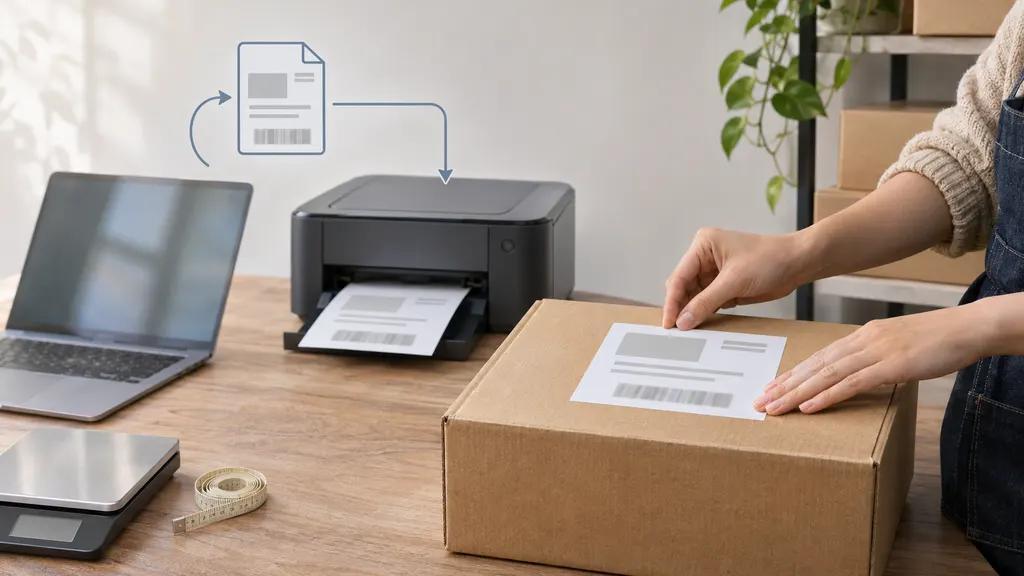
Use your approved shipping workflow to declare the alcohol shipment, select the required adult-signature service, and apply the carrier’s required alcohol markings. For U.S. alcohol deliveries under these carrier programs, the receiving adult must be at least 21 and meet the carrier’s identification requirements.
An age check during checkout does not replace identification at delivery. Likewise, writing “adult signature required” on the carton does not replace purchasing the correct service. Avoid obscuring required labels with tape, extra stickers, or packaging sleeves.
Step 5: Hand over through an authorized channel
Follow the pickup or tender arrangements covered by your account. Keep an accurate shipment record, including the tracking number, contents, package count, and any documentation required for your business. For international shipments, prepare the customs information before handover rather than treating it as an afterthought.
Step 6: Monitor delivery and handle exceptions
Send the recipient the tracking details and remind them that an eligible adult must be available. If the carrier reports an address problem, damage, or unsuccessful delivery, follow its alcohol-specific instructions. Do not assume the recipient can redirect the parcel to any pickup point or waive the signature.
If the parcel is returned, use the authorized return process. Asking a consumer to buy an ordinary return label and send the alcohol back may create the same eligibility problem as the original shipment.
What changes for international alcohol shipments?
International alcohol shipping adds customs and import rules to the licensing and carrier checks. A route may be unavailable even when a carrier transports ordinary parcels between the two countries.
Before accepting an international order, establish who is permitted to import the alcohol, whether permits or registrations are required, and which beverage categories the carrier accepts on that route. Confirm the required customs description, classification, value, origin information, and arrangements for duties and taxes.
Describe the contents accurately. Labeling commercial alcohol as a “gift,” “glassware,” or “sample” does not remove alcohol restrictions. If it is genuinely a gift or sample, that purpose still does not automatically make it eligible for shipment or exempt it from charges.
For a first international shipment, use a carrier or qualified customs professional familiar with the specific beverage and destination. Resolve import eligibility before buying packaging or promising a delivery date.
How much does shipping alcohol cost?
There is no reliable flat price for shipping beer or alcohol. The quote depends on the route, service, packaged weight and dimensions, account terms, and required handling options. Packaging can materially increase the parcel’s size and weight, so measure the finished box rather than estimating from the bottles alone.
Build the cost from transport, protective packaging, adult-signature charges, applicable surcharges, and any international brokerage, duties, or taxes. Businesses should also account for licensing, compliance administration, failed deliveries, and authorized returns.
Check liability terms separately. A declared value is not a blanket promise that every loss, breakage, leakage, or temperature-related issue will be reimbursed. Ask what protection applies to your specific contents and packaging.
FAQ
Can I mail beer to a friend if it is a gift?
Not through USPS as an ordinary beer parcel. A gift also does not exempt you from UPS or FedEx alcohol-shipping requirements. The practical alternative is to buy from a licensed seller authorized to deliver beer to your friend’s address.
Can I ship homemade beer?
Do not assume permission to make beer at home includes permission to ship it. Home production rules, destination law, and carrier acceptance are separate questions. Check the relevant alcohol authority and the carrier before arranging any shipment.
Does nonalcoholic beer follow the same rules?
Not necessarily. Check the actual alcohol content, the product’s legal classification, and the carrier’s policy. Marketing terms such as “nonalcoholic” do not establish identical treatment across every jurisdiction or service.
Can the driver leave an alcohol package at the door?
Do not plan for an unattended delivery when adult signature is required. The recipient must follow the carrier’s identification and signature process. An instruction to leave the parcel on a porch does not override that requirement.
What happens if nobody eligible is available to sign?
Follow the carrier’s delivery notice and shipment-specific options. Another attempt, an eligible hold arrangement, or return to the sender may be possible, but availability varies. Confirm the permitted options rather than promising a universal number of attempts or a particular pickup location.
Sources
- USPS Publication 52: Hazardous, Restricted, and Perishable Mail — postal restrictions, including the provisions on intoxicating liquors.
- UPS: Shipping Alcohol — shipper eligibility, contractual requirements, and alcohol-shipping guidance.
- FedEx: How to Ship Alcohol — licensed-shipper requirements, packaging guidance, and adult-signature requirements.
- TTB: Alcohol Beverage Control Boards — contacts for checking state-specific alcohol requirements.