Can You Ship Medication in the U.S.? Rules for Otc and Prescription Drugs?
Yes, some medication can be shipped within the United States, but the rules depend on the drug and who is sending it. Over-the-counter (OTC) products are generally easier to ship. Prescription drugs, especially controlled substances, face stricter mailing rules. A person should not assume they can mail a prescription simply because it was legally dispensed to them.
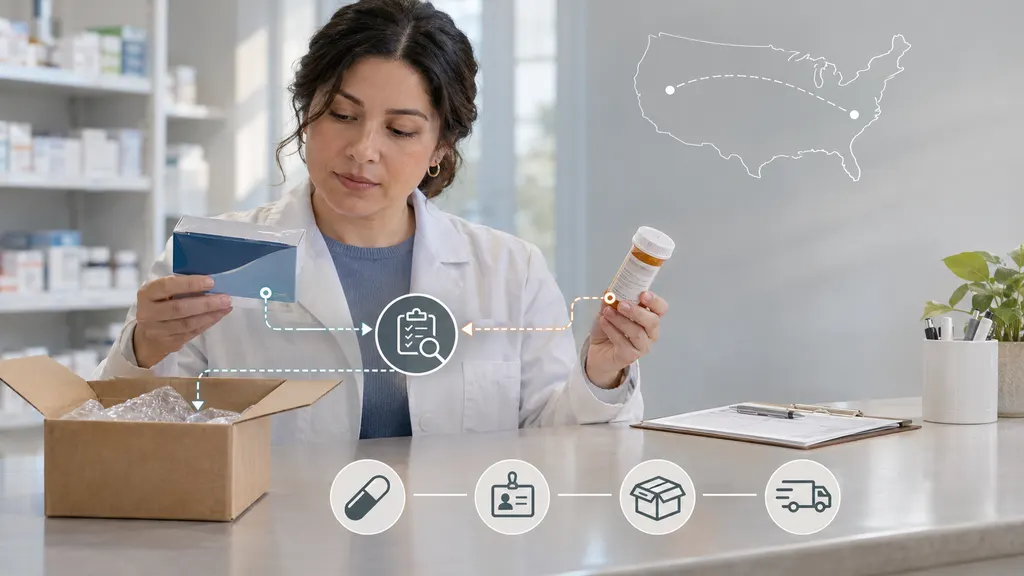
The safest starting point is to identify the product, the sender’s authority to ship it, the destination, and the carrier’s requirements before preparing a package. The rules below focus on domestic shipments; they do not establish what may be imported into or exported from the United States.
Start with the medication, not the shipping label
“Medication” covers products with different legal and handling requirements. An unopened bottle of nonprescription pain reliever, a prescription refill sent by a pharmacy, and a controlled prescription drug should not be treated as the same type of shipment.
- OTC medication: A drug available without a prescription. Its nonprescription status does not remove requirements concerning lawful sale, labeling, packaging, or carrier acceptance.
- Prescription medication: A drug supplied under a prescription. Who may send it matters, even if the intended recipient already has a valid prescription.
- Controlled substance: A drug subject to additional federal controls. Mailing eligibility is more restrictive than for an ordinary OTC product or a noncontrolled prescription drug.
- Temperature-sensitive medication: A product whose labeled storage conditions may require special handling. Legal eligibility to ship does not mean an ordinary parcel will keep the drug usable.
The U.S. Postal Service (USPS) addresses controlled substances and drugs in Publication 52, Section 453. Its conditions distinguish nonprescription drugs from prescription drugs and controlled substances. Those postal rules are a useful reference, but they do not replace applicable federal or state law, and another carrier may have different acceptance requirements.
Can you ship OTC medication domestically?
Often, yes. A lawfully held, nonprescription medication may be eligible for domestic mailing when the shipment complies with applicable laws and USPS conditions. Before sending it, check the exact product rather than relying on a broad “OTC” label. Ingredients, packaging, quantity, and the purpose of the shipment can affect what rules apply.
Keep the medication in its original, intact packaging when possible. That helps the recipient identify the product, strength, directions, expiration date, and any storage warnings. Put it inside a sturdy outer box or mailer that protects the container from crushing and prevents leaks. A liquid medicine needs particular attention to closure and cushioning. If a bottle is already leaking, a cap is damaged, or the product has been repackaged so its identity is unclear, do not treat mailing it as a routine task.
A merchant shipping OTC products should also check rules that may apply to its business and the destination state. The ability of an individual to mail a product and a business’s authority to sell or distribute it are separate questions. Likewise, a carrier’s acceptance of a package is not proof that every aspect of the underlying sale is lawful.
Can you mail prescription drugs to a family member or friend?
Do not assume so. Under USPS Publication 52, prescription-drug mailing is subject to sender restrictions. A patient’s possession of a legally dispensed medication does not, by itself, make that patient an authorized prescription-drug mailer. Controlled substances have additional restrictions.
Common situations deserve separate treatment:
- A relative forgot a prescription while traveling: Contact the dispensing pharmacy and the prescriber before trying to send the patient’s supply. Ask what lawful options are available for a refill or other continuity-of-care solution at the destination.
- A caregiver wants to forward medication: Do not infer permission from the caregiver’s relationship to the patient. Have the pharmacy or another qualified professional assess the specific drug, sender, recipient, and delivery method.
- A pharmacy is fulfilling a prescription: The pharmacy should follow the applicable prescribing, dispensing, shipping, and state requirements, as well as the carrier’s rules for that product.
- A patient wants to send unused medication to someone else: Do not do this. The other person’s medical needs or possession of a prescription do not turn an informal transfer into an authorized pharmacy shipment.
If the question is urgent, tell the pharmacist how much medication the patient has left and where the patient is located. A pharmacy or prescriber can evaluate options for the particular prescription. Do not substitute an ordinary parcel shipment for that conversation, especially when missing a dose could create a health risk.
Controlled substances need a separate check
Controlled substances are not simply “prescriptions with stronger packaging.” USPS Publication 52 sets specific conditions for their mailing, including conditions concerning who may mail them. A patient or family member should not infer that they can send a controlled medication through the mail merely because they have the original bottle, a valid prescription, or the recipient’s consent.
If a shipment involves a controlled substance, ask the authorized dispensing pharmacy to handle the question. The pharmacy can determine whether it may dispense and ship the drug to that patient at the destination, what records and safeguards apply, and which delivery service it can use. Do not misdescribe the contents to obtain a label or bypass a carrier’s screening process.
Check storage conditions before choosing a service
A legally shippable medication can still be damaged in transit. Read the manufacturer’s or pharmacy’s storage instructions for the specific product. Some drugs have limits on temperature exposure, light, moisture, or time outside controlled storage. The relevant question is not just whether a delivery service is fast; it is whether the planned packaging and transit conditions can meet the product’s requirements.
For a medication that requires refrigeration or another controlled environment, ask the dispensing pharmacy how it packages and validates shipments. A household ice pack placed in a box is not automatically a suitable cold-chain solution. It may freeze a product that must not be frozen, warm up before delivery, or cause water damage. If dry ice or another regulated coolant is contemplated, check the carrier’s separate packaging, labeling, and acceptance requirements before shipping.
Delivery timing also matters. Consider weekends, holidays, missed delivery attempts, exposure on a doorstep, and whether the recipient can bring the package indoors promptly. If the medication arrives warm, frozen, leaking, or otherwise compromised, the recipient should contact the dispensing pharmacy or manufacturer for product-specific advice rather than guessing whether it is still usable.
A practical pre-shipment checklist
- Identify the exact drug. Confirm its name, whether it is OTC or prescription-only, whether it is controlled, and any storage instructions on the label or supplied materials.
- Confirm who is authorized to send it. For a prescription, ask the dispensing pharmacy. Do not assume the patient, a relative, or a general online seller has the same mailing authority.
- Check the destination. Confirm the recipient’s address and ask whether state requirements or dispensing restrictions affect the shipment. This is particularly relevant when a pharmacy is serving a patient in another state.
- Read the carrier’s current rules. USPS Publication 52 is the starting point for USPS mail. If using another carrier, obtain that carrier’s instructions for the specific drug and packaging method.
- Plan for product integrity. Use intact, appropriately protected packaging and a service compatible with the drug’s storage needs. Avoid sending a product with unclear identity, damaged packaging, or uncertain handling requirements.
- Arrange receipt and a response to problems. Make sure the recipient knows when to expect the shipment and whom to contact if it is delayed, damaged, or exposed to unsuitable temperatures.
For a business, this checklist is only an operational starting point. It does not replace legal review of licensing, dispensing authority, product-specific restrictions, and the rules that apply where the recipient lives.
What if shipping is not the right option?
When a patient needs a prescription away from home, contacting the prescriber or dispensing pharmacy is usually more useful than trying to forward a bottle. They can assess whether a lawful refill or another care arrangement is possible for that patient and medication. If the issue is unwanted or expired medicine, shipping it to another person is not a disposal method. The FDA’s disposal guidance explains options, including medicine take-back programs and product-specific disposal instructions.
For an online purchase, verify that the seller is a legitimate pharmacy before placing the order. The FDA’s BeSafeRx guidance describes warning signs and ways to check an online pharmacy. A tracking number or a promise of discreet delivery does not establish that a seller may lawfully dispense the drug.
FAQ
Can I mail a bottle of my own prescription medication to myself?
Do not assume that addressing it to yourself removes sender restrictions. Check the drug’s status and the applicable carrier rules, and ask your dispensing pharmacy how to arrange medication at the destination. This is especially important for controlled or temperature-sensitive drugs.
Does the original prescription label make a package legal to ship?
No. The label helps identify the medication and its patient, but it does not establish that the person mailing the package is authorized to do so. Sender eligibility, the drug’s classification, applicable law, and carrier requirements still matter.
Can I ship OTC medicine in a regular parcel?
Many OTC products can be shipped domestically if the shipment meets applicable legal and carrier requirements. Check the specific product, keep its packaging intact where possible, and protect it against leaks, breakage, and unsuitable storage conditions.
Can a pharmacy ship a prescription across state lines?
It may be possible, but a pharmacy must assess its authority to dispense to the patient at that destination, the drug’s requirements, and its delivery arrangements. Ask the pharmacy to confirm whether it can fulfill the specific prescription rather than assuming every pharmacy can ship every medication to every state.
What should I do if shipped medication arrives damaged or too warm?
Do not use it until a qualified professional confirms what to do. Keep the packaging and contact the dispensing pharmacy promptly, explaining the condition on arrival and any known delay or temperature exposure. Product-specific guidance is more reliable than judging the medicine by appearance alone.
Sources
- U.S. Postal Service, Publication 52, Section 453: Controlled Substances and Drugs
- U.S. Postal Service, Publication 52: Hazardous, Restricted, and Perishable Mail
- U.S. Food and Drug Administration, BeSafeRx: Know Your Online Pharmacy
- U.S. Food and Drug Administration, Where and How to Dispose of Unused Medicines