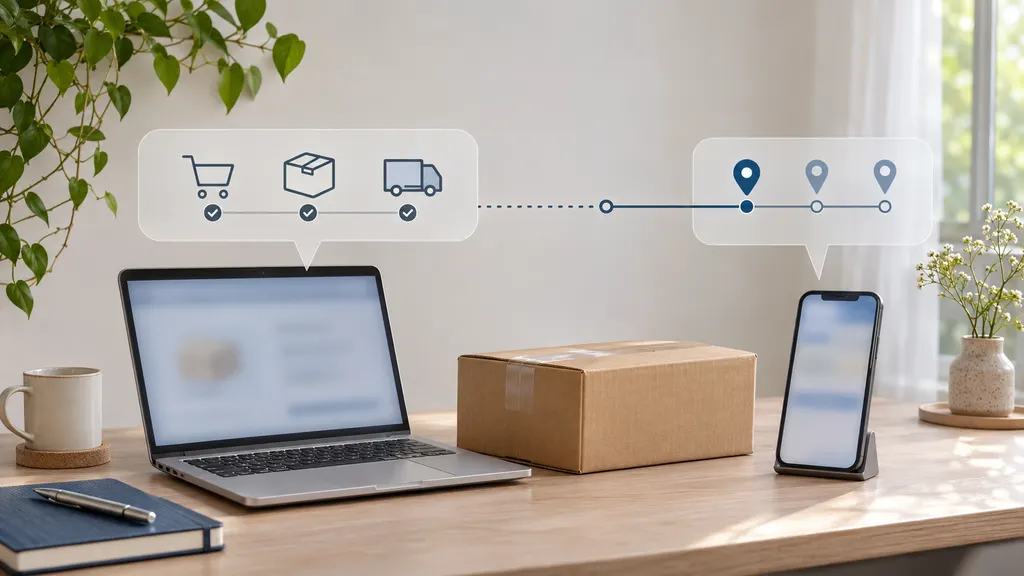
Can Different Couriers Use the Same Tracking Number? How to Verify Yours?
Yes. Different couriers can have tracking numbers that look identical or even accept the same characters, because a number is not always unique across every delivery network. A matching result does not, by itself, prove that a courier has your parcel. To verify yours, check the courier named by the sender, match the shipment details, and confirm the result on that courier’s official tracking page.

There is another common source of confusion: a parcel may pass between carriers during delivery. In that case, two tracking results may describe the same shipment, but the carriers may use either a shared reference or separate numbers. The steps below help you tell a genuine handoff from a coincidental match or an incorrect tracking result.
Why can the same number appear under different couriers?
A tracking number works within a carrier’s system or a particular shipping network. It is not safe to assume that every courier worldwide checks its identifiers against one universal list. Some number formats are distinctive, while others are short or mostly numeric. If two systems use overlapping formats, the same sequence of characters may produce results for different shipments.
Several situations can look like a duplicate number, and they call for different checks:
- Independent shipments: Two couriers may each have a shipment associated with the same characters. The number alone cannot tell you which result belongs to your order.
- A carrier handoff: A shipment may move from one delivery network to another. The second carrier might recognize the original reference, or it might assign a new one. This is not necessarily a number collision.
- A shipping-label or order reference: A seller may give you a reference that appears on a label or order page but is not the final delivery carrier’s tracking number.
- An incorrect or incomplete number: A mistyped character, a missing prefix, or an extra space can lead you to the wrong result or no result at all.
- A newly issued label: The sender may have created a label before the courier has recorded a physical scan. A lack of movement is not, on its own, evidence that another courier owns the number.
These possibilities explain why format-based guesses are useful only as a starting point. An apparent match becomes convincing when the carrier, shipping route, timing, and sender information also fit your shipment.
How to verify which tracking result is yours
1. Start with the sender’s original information
Open the shipping confirmation or order details you received directly from the seller or sender. Look for the courier’s name, the full number, a shipment date, and any separate link for local delivery. Copy the number rather than retyping it. Preserve letters, leading zeros, and any prefix or suffix; these characters may distinguish one carrier’s identifier from another.
If you have only an order number, ask the sender for the actual carrier tracking reference. An order number can help a seller find your purchase, but it may not be searchable on a courier’s public tracking page. If the sender’s message names a courier, use that as your first lead, not as final proof: shipping plans can change, and the sender may need to correct a mistaken notification.
2. Check the named courier’s official tracking page
Go to the courier’s website yourself or use a link from an order account you already trust. Enter the exact number and read the shipment history, not just the headline status. A result that aligns with your expected shipping window and route is more useful than a result that merely says “in transit.” For example, a delivery event dated before you placed the order is a strong sign that you are looking at a different shipment.
Some public tracking pages reveal only limited details. You may see scans and dates without a full address or recipient name. That restriction is normal and means you should avoid treating the absence of an address as proof that a result is wrong. Compare the information that is visible, such as origin, destination region when shown, service milestones, and the sequence of scans.
3. Compare results across couriers carefully
If you do not know the courier, a multi-carrier tracker such as 17TRACK tracking can help you look for a plausible carrier result. Treat automatic carrier suggestions as leads to verify, not proof of ownership. When more than one courier appears possible, open the relevant official carrier pages and compare the actual event histories.
Focus on contradictions. If one result shows delivery in a region unrelated to your destination, or movement before the sender says the parcel was shipped, that result probably does not identify your package. If two results describe a coherent sequence of international movement followed by local delivery, a handoff may be involved. Ask the sender for a handoff or local-delivery number if you cannot connect the two histories.
4. Ask the party that can confirm the shipment
The sender usually has the shipping label, booking record, or carrier account details needed to identify the correct courier and reference. Contact them if the number points to an unrelated delivery, several courier results remain plausible, or no carrier recognizes it after the sender says the parcel has entered the network. Give them the order number and the exact tracking reference you received; do not send payment-card details or passwords to resolve a tracking question.
If the courier is confirmed but the tracking record appears inaccurate, contact that courier through its official support channel. Explain the specific discrepancy rather than asking whether the number is “valid.” For example, note that the public result shows a delivery date before your purchase, or that the sender has provided a second number with different events. This gives support a concrete issue to investigate.
Is it a duplicate number or a carrier handoff?
The distinction matters because the next step is different. A duplicate or coincidental match means one of the results may belong to someone else. A handoff means the results may both relate to your parcel, but describe different stages of its journey.
Look for a connected timeline. A plausible handoff generally has events that progress from the original carrier’s movement to receipt or processing by a later delivery carrier. The locations and dates should make sense together. You may also find a second reference in the seller’s order page or in one carrier’s shipment details. Do not assume a handoff solely because a tracking tool lists two couriers; matching formats are another possible explanation.
By contrast, events that overlap implausibly, show unrelated routes, or report delivery before your parcel was shipped point away from a single-shipment explanation. Public tracking data may be delayed or incomplete, so one odd scan is not conclusive. If the discrepancy affects a delivery claim or a missing-parcel case, request confirmation from the sender and the identified carrier rather than relying on an inferred match.
What if the number shows “delivered,” but nothing arrived?
First make sure the delivered result is actually yours. Confirm the courier through the sender, then check the delivery date and any destination information the official carrier page makes available. If the result predates your shipment or refers to an unrelated area, report the mismatch to the sender and request the correct reference.
If the carrier and shipment do match, review any available delivery details and check the usual safe places at the delivery address. Then use the courier’s official missing-delivery process and notify the seller as appropriate. A “delivered” status on a different courier’s coincidentally matching number is not evidence that your order was delivered.
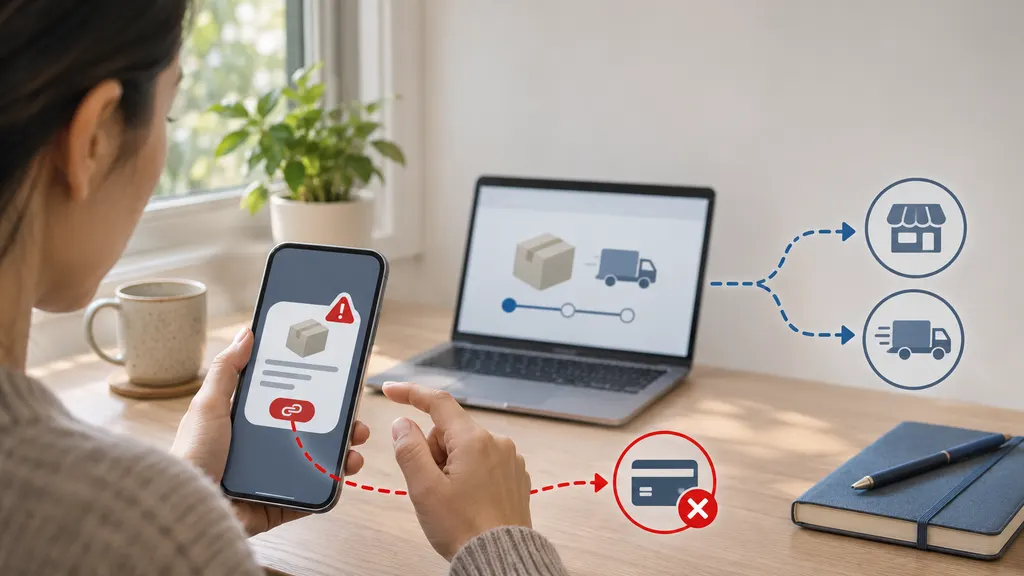
Be cautious with messages that use tracking confusion to pressure you into paying a fee or entering personal information. Instead of following a link in an unexpected text, navigate to the courier’s official site or your established order account. A legitimate-looking number is not enough to authenticate a message.
A practical rule for choosing the right result
Use three checks together: source, timeline, and route. The source is the sender’s shipping record or a confirmed carrier notice. The timeline is the sequence of scans compared with when your shipment was created. The route is the origin and destination information that the courier makes available. No single check is perfect, but a result supported by all three is much more persuasive than a number-format match.
If those checks do not resolve the ambiguity, stop guessing. Ask the sender to confirm the carrier and the complete reference, including any number assigned for final delivery. This is especially useful for a cross-border parcel, where the tracking information visible to the original sender and the local delivery carrier may not be presented in exactly the same way.
FAQ
Can two couriers have exactly the same tracking number?
Yes, an identical sequence can appear in different courier systems. That does not automatically mean the couriers are handling the same parcel. Verify the sender’s carrier information and compare the shipment events before choosing a result.
Why does a tracking site suggest more than one courier?
More than one courier may recognize the number’s format, and a shipment may also pass between delivery networks. A suggested carrier is a clue, not confirmation. Check the event history on the relevant official courier pages.
Will my tracking number change when the parcel reaches a local courier?
It can, but not every handoff works the same way. The local courier may recognize the original reference or use a separate number. Check the sender’s order page or ask for the local-delivery reference if the original number stops showing useful updates.
Does a valid tracking result prove the seller shipped my order?
No. A public result may belong to another shipment with a matching identifier, and an initial label record does not necessarily show that the parcel has been collected. Look for events consistent with your order and ask the seller to confirm the shipping record when in doubt.
What should I do if my number shows someone else’s delivery?
Do not use that delivery record as proof of what happened to your parcel. Send the seller the exact number and explain the conflicting date or route. Request the confirmed courier and the correct tracking reference, then follow up through the courier’s official channel if needed.
Sources
- 17TRACK: Package Tracking — multi-carrier tracking page.
- USPS: Track a Package — example of an official carrier tracking page for checking shipment status directly.