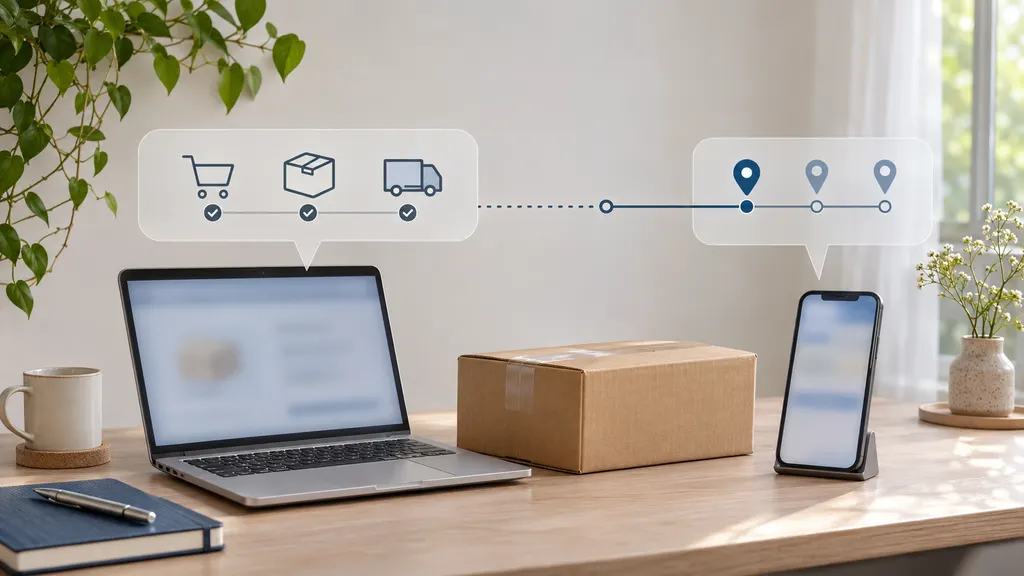
What Is a Carrier Facility? Why Packages Stop There and When to Act?
A carrier facility is a location in a delivery company’s network where packages are received, sorted, transferred, or prepared for delivery. If tracking says your package is at a carrier facility, it usually means the carrier has scanned it during a normal handling step—not that it is lost. What matters is the full tracking history, the expected delivery date, and whether a new scan appears after the stop.
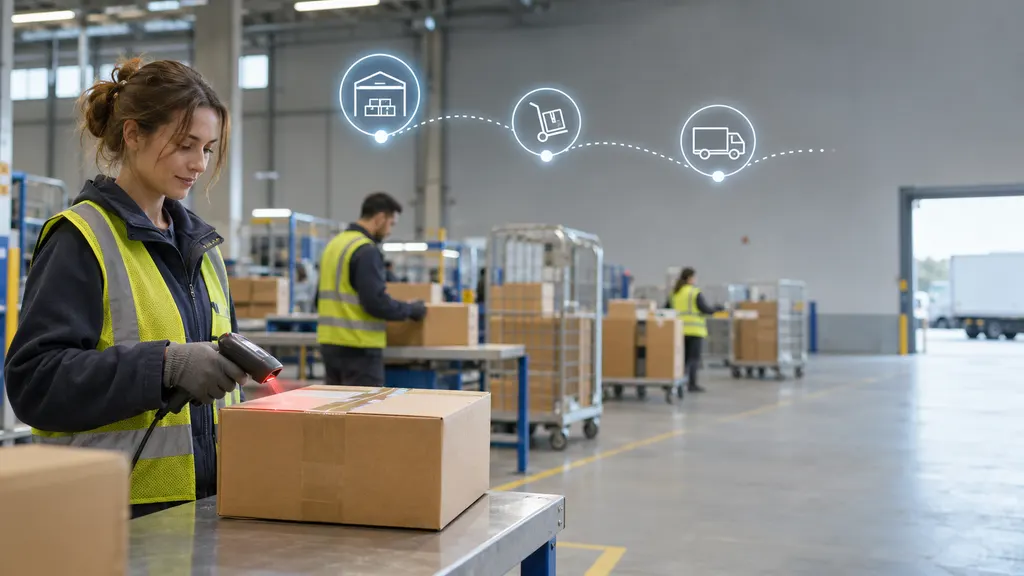
For a recipient, the practical question is not simply how long a package has been at one building. It is whether the shipment is still progressing as expected and who can help if it is not. A facility scan can be followed by another sorting scan, a departure, a handoff, or an out-for-delivery update. Tracking does not necessarily show every movement between those events.
What happens at a carrier facility?
“Carrier facility” is a broad tracking description, not the name of one specific type of building. Depending on the carrier and route, the location may be used to accept packages, sort them by destination, move them between transportation legs, or stage them for local delivery. A package traveling a long distance may pass through several such locations before it reaches the facility serving the recipient’s address.
At each stage, staff and automated systems may scan a package’s label so the carrier can associate the parcel with a location or processing event. The scan tells you something happened at that point; it does not provide a live view of the package. If the next event has not appeared, the parcel may still be in processing, waiting for its next transport leg, or moving without an intermediate scan.
The wording also varies. “Arrived at carrier facility,” “processed at facility,” and “departed carrier facility” describe different events. Arrival confirms a recorded receipt at that location. Processing indicates a handling event there. Departure indicates a recorded movement away from it, but it does not mean delivery is the next step. Read the entire sequence rather than interpreting one line in isolation.
Why does a package appear to stop there?
A pause at a facility is often part of ordinary routing. Parcels must be grouped for onward transport, and their timing depends on when they arrive relative to the next available departure or delivery operation. A package may also be routed through another sorting location before it reaches the local delivery unit.
Other possible explanations include a transportation interruption, unusually heavy volume, an unreadable label, an address problem, or an exception that requires additional handling. International shipments can involve transfers between postal or delivery operators, with tracking updates that differ across systems. A facility scan alone cannot tell you which of these explanations applies. Look for an explicit exception message, a changed delivery estimate, or a pattern of repeated scans before drawing conclusions.
It also helps to distinguish a lack of new tracking information from a confirmed lack of physical movement. Tracking records events when systems receive and display scan data. They do not promise a scan at every step. Conversely, repeated reassuring-looking facility updates do not prove that delivery is imminent. The safest reading is narrow: the last visible event shows what was recorded, not everything that happened afterward.
How to read the facility update in context
Start with the latest status, then check the events before it. These details are more useful than the facility name by itself:
- The wording: Is it an arrival, processing, departure, handoff, or exception? A departure from one facility can still be followed by another facility scan.
- The sequence: Are scans moving through the network, or does the parcel keep returning to the same place? Repeated events are worth monitoring, although they do not by themselves explain the cause.
- The delivery estimate: Is the expected date still ahead, has it passed, or has the carrier revised it? An estimate is a planning signal, not a guarantee of the next scan.
- The location: A distant sorting location is different from a local delivery facility. Even at a local facility, “arrived” does not necessarily mean the parcel is on a delivery vehicle.
- Any action message: An address issue, attempted delivery, customs-related notice, or request for information calls for a different response than a routine processing scan.
For example, “arrived at carrier facility” followed by “departed carrier facility” generally shows recorded progress. If the next update is “out for delivery,” the package has reached a later stage. If the latest event instead says delivery was attempted or an address needs attention, waiting for another routine sorting scan is unlikely to be the best first step. Follow the carrier’s instructions for that specific event.
When should you wait, and when should you act?
There is no universal number of hours that makes every facility stop abnormal. Routes, services, operating schedules, and tracking practices differ. A more useful decision rule is to compare the last scan with the carrier’s current delivery estimate and any explicit problem notice.
Usually, keep monitoring if the delivery estimate has not passed
If the status shows an ordinary facility arrival or processing event, the expected delivery date is still in the future, and no exception appears, the next useful action is usually to monitor tracking. Check the carrier’s own tracking page for the most relevant service updates. Avoid assuming that one quiet interval means the package is lost or that it is available for pickup. A sorting facility is not necessarily a public collection point.
Act sooner if the status calls for action
Do not wait for the estimated date to pass if tracking explicitly reports an address issue, a failed delivery attempt, a hold, or another problem requiring a response. Use the instructions provided by the carrier. If a message asks you to pay a fee or enter personal details, reach the carrier through its official website or app rather than an unfamiliar link in a text message or email.
Investigate if the estimate has passed or progress has stopped
If the delivery estimate has passed and there is no useful new update, contact the carrier responsible for the current leg of delivery. Have the tracking number, delivery address, and relevant scan dates ready. Ask what the latest status means for this shipment and whether a service request or missing-package inquiry is appropriate. The carrier’s process may depend on the service and how long the parcel has been without a meaningful update.
It can also help to contact the seller or sender, particularly if you are the buyer and the seller arranged shipping. They may have order details, shipment records, or a channel for opening an inquiry. For a suspected missing parcel, follow the applicable carrier’s official help process rather than submitting multiple claims based only on a brief facility pause. The U.S. Postal Service, for example, provides a Missing Mail process and explains the information needed to start a search.
Which carrier should you contact for an international package?
Cross-border shipments make facility updates harder to interpret because the company that accepted the parcel may not be the one making the final delivery. The tracking history may show a handoff to another carrier, and different tracking systems may display different levels of detail. A package can also be between recorded events during an international transfer.
Look for the name or tracking number of the carrier handling the current leg. If a local delivery carrier is identified, check that carrier’s official tracking page for delivery instructions and exceptions. If the handoff is unclear, ask the sender which service was purchased and whether there is a local tracking number. An address correction or delivery arrangement generally needs to go through the carrier that currently controls the parcel; a tracking display cannot make that change for you.
If you have multiple tracking numbers or are unsure which carrier is showing the latest event, a multi-carrier tracking view can make the history easier to follow. 17TRACK tracking is an option for checking shipment updates across carriers. Use the carrier’s official channel for service requests, delivery changes, or claims, because viewing tracking events is different from directing a carrier’s operations.
A short checklist before contacting support
A precise inquiry is more likely to get a useful response than “my package is stuck.” Before contacting anyone, gather:
- The complete tracking number and the name of the carrier shown on the latest event.
- The exact status text and the date of the most recent meaningful scan.
- The delivery estimate currently displayed by the carrier, including whether it has changed.
- The shipment details you can verify, such as the destination address and, if you are the sender, the mailing or shipping receipt.
- Any exception notice, including attempted delivery, address concerns, or instructions to contact the carrier.
Then ask a specific question: “The latest scan says ‘arrived at carrier facility,’ and the estimated delivery date has passed. Is there a newer event, and what inquiry should I open?” If the seller shipped the order, tell them what the carrier has said. Keep a record of the inquiry in case the shipment remains unresolved.
The bottom line is straightforward: a carrier facility scan normally describes a processing point, not a verdict on the package. Monitor a routine stop while the shipment remains within its expected window. Respond promptly to an explicit exception, and investigate through the responsible carrier and sender if the estimate passes without meaningful progress.
FAQ
Does “at carrier facility” mean my package is out for delivery?
No. It means the package has a recorded event at a carrier location. “Out for delivery” is a separate status indicating a later delivery stage. A parcel may visit more than one facility before that happens.
Can I pick up a package from a carrier facility?
Not based on a facility scan alone. Many facilities are processing locations rather than public pickup sites. Only go to a location if the carrier has confirmed that pickup is available and provided instructions for your specific shipment.
Why does tracking show the same facility more than once?
Multiple scans can reflect separate handling events at one location. They can also signal that the package needs closer attention if there is no onward progress. Check for an exception and the delivery estimate; if the estimate has passed, ask the carrier to review the shipment rather than guessing from the repeated location name.
Does a facility scan prove the carrier has my package?
A carrier-recorded arrival or processing scan is stronger evidence of handling than a status that merely says a shipping label was created. Still, check the exact wording and which carrier generated the event. A tracking history may include information shared between shipping partners.
Who should I contact if an online order never arrives?
Start with the carrier handling the current delivery leg if its tracking shows a delivery problem or the estimate has passed. Also notify the seller, especially if you need help resolving the order or the sender must initiate a shipping inquiry. Use official contact channels and keep the tracking number and order details available.