What Does Pre-Transit Mean? Why Your Package Isn'T Moving yet & When to Worry?
Pre-transit means shipment information has been created, but the tracking record does not yet confirm that the carrier has accepted the package into its network. The seller may still be preparing the parcel, a pickup may be pending, or an initial scan may be missing. It does not automatically mean the package is lost. Start asking questions when the seller’s stated dispatch window has passed, the promised delivery date is at risk, or a purchase-protection deadline is approaching.
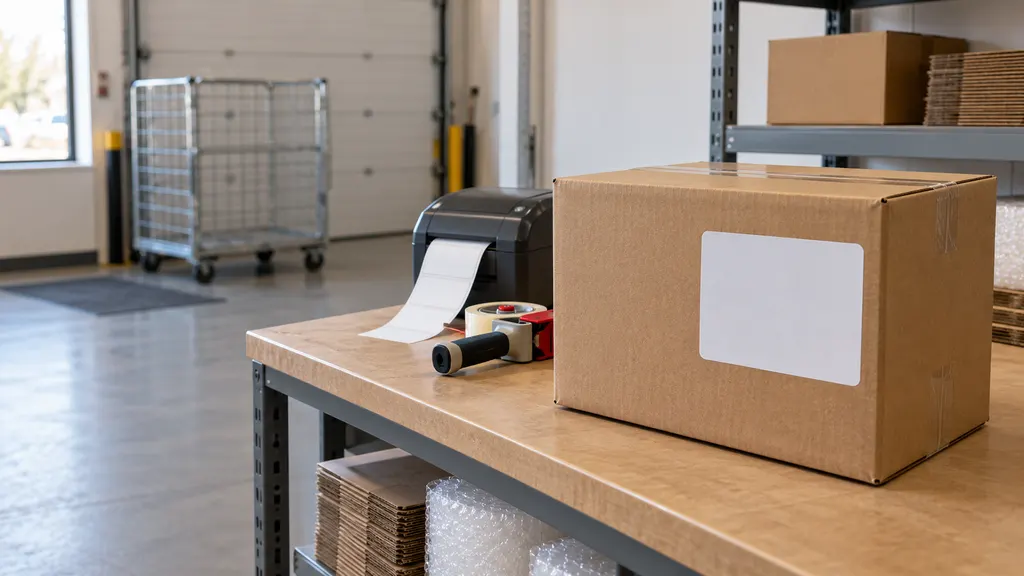
The most useful distinction is between a shipping label and a physical handover. A tracking number proves that a shipment record exists; by itself, it does not prove that a parcel has left the warehouse.
What pre-transit tells you—and what it does not
Pre-transit is a tracking category, not a precise description of the package’s physical location. Depending on the carrier or tracking service, related wording may include “Label Created,” “Shipment Information Received,” or “Pre-Shipment.” These messages generally describe electronic shipment information arriving before tracking confirms physical acceptance.
USPS, for example, distinguishes “Shipping Label Created, USPS Awaiting Item” from later events showing that USPS has possession of a package. Its tracking guidance also separates shipping-partner events from USPS acceptance. That distinction matters: a parcel can be moving with another logistics provider while the final delivery carrier is still awaiting it.
Read the detailed event, not just the headline status. A broad pre-transit label can hide useful wording about which company is waiting, whether a shipping partner is involved, and when the last event occurred.
| Tracking message | What it generally indicates | What it does not establish |
|---|---|---|
| Label created or shipment information received | An electronic shipment record exists. | That the carrier has physically received the parcel. |
| Shipping partner event; delivery carrier awaiting item | A partner is reporting an event before handover to the named delivery carrier. | That the final-mile carrier already has possession. |
| Accepted, picked up, or in possession | The record indicates physical receipt by the carrier named in the event. | A guaranteed delivery date or uninterrupted tracking updates. |
Why your package may not appear to be moving
The seller created the label before finishing fulfillment
Label creation can happen before packing, warehouse processing, or collection is complete. A store may also trigger a “shipped” email when it creates the label. That notification and the carrier’s first possession scan describe different milestones.
Check the order’s processing terms. A delivery estimate that applies after dispatch should not be confused with the time the seller allows for preparing the order.
The parcel is waiting for collection or drop-off
A ready-to-ship package may be waiting for a scheduled pickup or for the sender to take it to a carrier location. Weekends, local holidays, and collection schedules can affect that handover. However, none of those explanations can be confirmed from a pre-transit label alone; the seller needs to explain what has actually happened.
The first physical scan is missing or has not appeared yet
Tracking is a record of reported events, not continuous location monitoring. A missing acceptance scan can leave a parcel looking stationary until a later facility event appears. This is a possible explanation, not something a buyer should assume whenever a seller says the package has shipped.
If the seller claims a completed handover, ask for the handover date and any available carrier receipt or collection confirmation. A label screenshot is not the same evidence.
You are viewing the destination carrier’s tracking number
In cross-border shipping, different providers may handle collection, international transport, and final delivery. A destination-carrier number can exist before the parcel reaches that carrier. Its tracking page may therefore show pre-transit even when another provider has reported earlier movement.
Look for an original logistics-provider number or a linked tracking number in the order details. This does not establish that the shipment is moving; it identifies where additional evidence might be available.
How long should pre-transit last?
There is no universal pre-transit time limit. The relevant checkpoints are the seller’s dispatch commitment, the service purchased, the actual handover date, and the promised delivery window. A fixed rule such as “every package must update within 48 hours” is not reliable across carriers and shipping arrangements.
Separate these three clocks before deciding whether the delay is unusual:
- Order-processing time: The period the seller allows to prepare and dispatch the purchase.
- Time since label creation: How long the electronic shipping record has existed. This may include time before physical handover.
- Carrier transit time: The delivery period under the carrier’s applicable service terms. Do not assume it starts when the store sends its shipping email.
For example, if a store creates a label on Friday but states that collection will happen on the next business day, an unchanged weekend status is not, by itself, evidence of a missed dispatch. If the seller instead promised Friday handover and that commitment has passed without acceptance evidence, asking for clarification is reasonable.
When to wait, contact the seller, or escalate
Use missed commitments and approaching deadlines—not just the age of the tracking number—to guide your next step.
- Monitor the shipment when the order remains within its stated processing window and there is no immediate delivery or purchase-protection deadline.
- Contact the seller when its dispatch window has passed, it claims a handover that tracking does not confirm, or the delivery promise is becoming doubtful.
- Contact the carrier when tracking shows acceptance by that carrier, or you have a specific question about its event wording. With only a label-created record, it may have little shipment information beyond what you can see.
- Use the store or marketplace resolution process when the seller misses its commitments, cannot provide a useful explanation, or fails to respond. Check the applicable eligibility rules and deadlines rather than assuming they are the same everywhere.
A time-sensitive order deserves earlier attention. If the package is needed for travel or an event, ask about a replacement, cancellation, or other available remedy before the original delivery window becomes unusable. Availability depends on the order terms and applicable consumer protections.
Repeated unsupported assurances are a reason to escalate, but pre-transit alone is not proof of fraud or loss. The stronger warning sign is a combination of missed commitments, no verifiable handover, and an unresponsive seller.
A practical checklist for finding out what happened
- Open the order confirmation. Find the processing window, dispatch commitment, delivery estimate, and any preorder or made-to-order conditions.
- Check the carrier’s own tracking page. Copy the tracking number carefully and read the full event history, including the event date and named carrier.
- Look for another tracking number. For international shipments, check whether the seller supplied an origin-provider number as well as a destination-carrier number.
- Ask one specific handover question. Request confirmation of physical transfer, rather than asking only whether the order has “shipped.”
- Save the relevant records. Keep the order confirmation, delivery promise, tracking history, and seller messages.
- Set your next action date. Base it on the seller’s next commitment and any dispute deadline. Do not agree to open-ended waiting.
For shipments involving several carriers, 17TRACK’s tracking page offers another place to check a tracking number. Use any displayed events to identify the reporting carrier and compare them with that carrier’s own record. A tracking service can help you inspect reported information; it cannot physically release a parcel or make a carrier scan it.
What to send the seller
A concise message makes it harder for a generic response to miss the issue:
Hello, my order [order number] still shows [exact tracking message]. Your stated dispatch window was [window]. Has the package physically been handed to the carrier? If so, please confirm the handover date and share any available carrier acceptance or collection confirmation. If not, please confirm the expected handover date and my options if that date cannot be met.
If the reply only repeats the tracking number, ask again for the physical handover status. You do not need a detailed warehouse explanation; you need to know who currently has the parcel and what happens next.
What changes for international packages?
Cross-border tracking requires an extra question: which carrier is waiting for the parcel? A destination postal operator awaiting an item is different from an origin carrier showing only label creation. The first may reflect a later handover that has not happened yet; the second provides no confirmation of origin-carrier acceptance.
Do not interpret pre-transit as a customs hold unless another event or the shipping provider explicitly identifies customs processing. Likewise, do not assume that a destination tracking number means the parcel has reached the destination country.
Ask the seller for the logistics provider currently responsible, the original tracking number, and the most recent confirmed event. Those details are more useful than a broad reassurance that international shipping takes time.
FAQ
Does pre-transit mean my package is lost?
No. It means the tracking record does not yet confirm the relevant carrier’s acceptance. The parcel could still be with the sender, awaiting handover, or missing an initial scan. Establish the handover facts before treating it as a lost shipment.
Why does the store say shipped while the carrier says pre-transit?
The store may mark an order shipped when it creates a label, while the carrier waits for physical acceptance before reporting possession. Ask whether “shipped” means label creation or completed handover in your order’s case.
Can a package arrive while tracking still says pre-transit?
It is possible for tracking to be incomplete or delayed, but that possibility is not a delivery guarantee. Check for later events and contact the seller when its stated commitments pass.
Should I file a missing-package claim immediately?
First establish whether the carrier received the package. Claim eligibility, waiting periods, and who can submit a claim depend on the carrier and service. If tracking only shows label creation, start with the seller rather than assuming a carrier loss has occurred.
Can I get a refund if the status never changes?
Potentially, but an unchanged status does not create one universal refund entitlement. Your options depend on the seller’s terms, marketplace rules, payment-provider protections, and applicable law. Preserve your records and check deadlines before continuing to wait.
Sources
- USPS: Where is my package? — Explanations of tracking events, including pre-shipment, USPS awaiting item, and shipping-partner messages.
- USPS Tracking: The Basics — Background on tracking information and checking shipment status.
- 17TRACK: Package tracking — The tracking lookup referenced in the practical checklist.