USPS Forwarded Tracking Status: Why Your Package Was Rerouted and What to Do
A USPS “Forwarded” tracking status means the Postal Service has redirected your package from its original delivery path. A change-of-address request is one possible reason; an address or ZIP Code issue may also cause rerouting. It does not mean the package was delivered or confirm where it will end up. Check the latest tracking scan, verify the address with the sender, and contact USPS if the package is heading somewhere you cannot receive it.

What does “Forwarded” mean on USPS tracking?
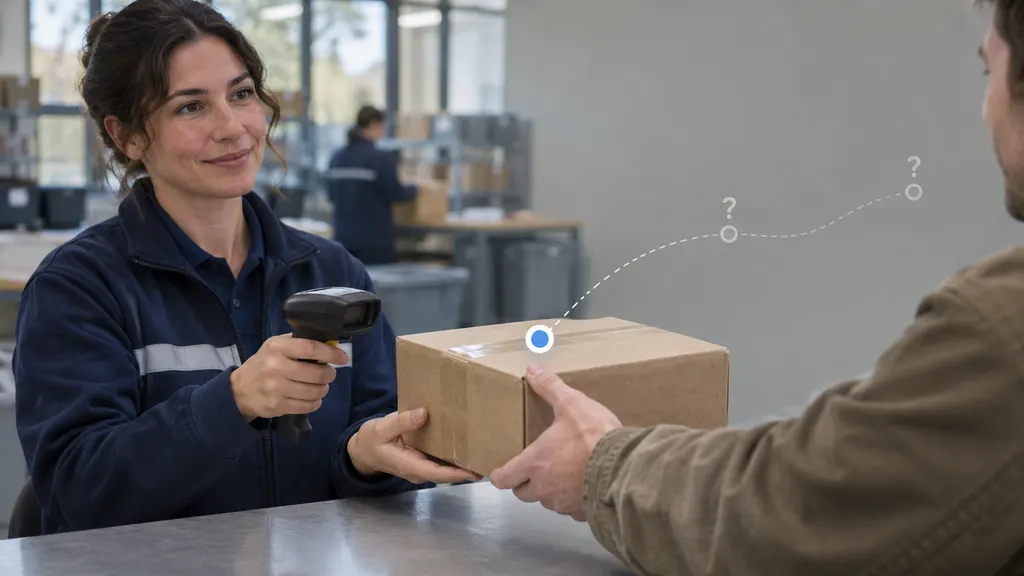
“Forwarded” tells you that USPS has taken an action to route the mailpiece onward instead of completing delivery on the path you expected. The status describes a routing event, not a successful delivery. The next scan may provide a better indication of what is happening, but the public tracking page may not show the forwarding address or explain the exact reason for the change.
That distinction matters when a package appears to be moving away from your city. A scan at an unfamiliar facility does not, by itself, prove that USPS has the wrong destination. Packages can travel through intermediate facilities before reaching the delivery area. Read the status text alongside the scan history, rather than judging the shipment by one location.
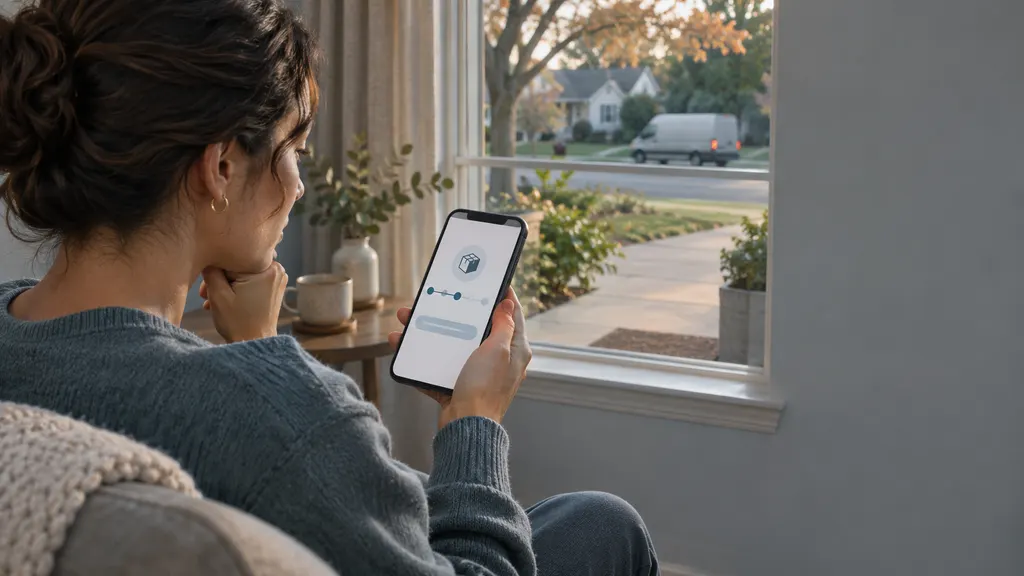
Start with the official USPS tracking page. Check the exact wording of the latest event, its sequence relative to earlier scans, and whether a later event shows the package moving toward delivery, being held, or returning to the sender. If a seller or marketplace also displays tracking, compare its information with the USPS record before acting on a possibly delayed update.
Why would USPS forward a package?
A change-of-address request may apply
If you recently moved and submitted a USPS change-of-address request, eligible mail addressed to your former location may be sent onward under that request. Check whether the request covers the name, old address, new address, and type of move involved. A request for one person, for example, should not be treated as proof that every piece of mail addressed to everyone at the old address will follow the same route.
Forwarding also depends on the mailpiece and the applicable USPS rules. Do not assume that every package will be forwarded simply because a change of address exists. USPS explains the change-of-address process and forwarding considerations on its mail forwarding page.
The shipping address may have a problem
An incorrect or incomplete address can interfere with normal delivery routing. The label might contain an old ZIP Code, a missing apartment number, or a street address that does not match what you entered at checkout. “Forwarded” alone does not identify which, if any, of these problems occurred. Compare the address on the order confirmation or shipping receipt with the address where you expected delivery, then ask the sender to check what was actually printed on the label.
The package may be undergoing a routing correction
A forwarded scan does not always mean you filed a change of address. USPS may redirect a piece after it has entered the mailstream. The visible tracking history may show a facility change without giving you enough detail to determine why it happened. If you have not moved and the shipping address is correct, avoid guessing that someone else changed your address. First check for subsequent scans and ask USPS to clarify the shipment’s status if the route remains unexplained.
What to do when your USPS package says “Forwarded”
- Save the tracking number and read the full scan history. Note when the “Forwarded” event appeared and whether a newer scan has replaced it. A later delivery, hold, or return event changes what you should do next.
- Confirm the address with the sender. If you are the recipient, compare your order confirmation with the address the sender used on the label. If you are the sender, check the label and shipment record. Do not rely on a remembered address or assume that a correctly entered checkout address was necessarily printed correctly.
- Check any move-related request. If you filed a USPS change of address, verify its details through USPS. If you did not file one, do not submit a new request just to fix a single package. A change of address is a mail-forwarding request associated with a move, not a general-purpose tool for editing one shipment.
- Contact USPS when the destination appears wrong or the shipment needs attention. Provide the tracking number, the latest scan, and the address information you can verify. Ask what the status means for this particular package and whether any action is available. USPS’s contact page lists ways to seek help.
- Keep the sender involved. If the label was wrong or the package may return, the sender may need to resolve the issue with USPS, correct the address for a replacement shipment, or address an order problem. Tell the sender what USPS tracking shows rather than assuming the seller can change the address of a package already in transit.
If the package is still moving through the network and the address is correct, watching for the next scan may be more useful than submitting multiple inquiries based on a single event. If the scans instead show delivery somewhere you cannot access, a return to sender, or no meaningful progress, act on that newer information rather than treating the original “Forwarded” scan as the final outcome.
Can you change where the package is going?
Do not assume a tracking-page status can be edited. USPS has a separate Package Intercept service for eligible mailpieces, but eligibility and available options depend on the shipment and its current state. An intercept request is not the same as a change-of-address request, and a request does not guarantee that USPS will catch the package before delivery or another disposition. Review the official requirements and any applicable charges before submitting one.
If you are the recipient of an online order, contact the seller as well as USPS when an address correction is needed. The sender may have shipment details you do not, and the resolution of an incorrect order address may depend on the seller’s process. If USPS cannot redirect the item, ask the sender what will happen if it is returned. Avoid paying for or promising a replacement until you know whether the original package is still moving, has been delivered, or is coming back.
For a package addressed to a former home, do not assume the current resident can or should forward it personally. Use the tracking record, your USPS change-of-address information, and the sender’s shipment details to establish what happened. Sharing your tracking number and address only through official or trusted support channels also reduces the risk of disclosing shipment information unnecessarily.
When to ask USPS to search for the package
“Forwarded” is not, on its own, a missing-package determination. Look for a newer scan first. If the package stops progressing or cannot be located after you have checked the tracking history and address details, follow the steps on USPS’s Missing Mail page. USPS explains how to seek help and when a Missing Mail search may be appropriate. Use the shipment details you have, including its tracking number and a description of the contents where requested.
A search request serves a different purpose from an intercept request. A search seeks information about mail that has not arrived; an intercept is an attempt to redirect an eligible piece before its normal disposition. Choose the path that matches the current problem. If tracking already says “Delivered,” check the delivery details and address issue with USPS rather than describing the package only as stuck at “Forwarded.”
How to avoid the same problem on your next shipment
Before placing an order, enter the delivery address exactly as it should appear on the label, including any apartment or unit information. If you have moved, update saved addresses with retailers and other senders; a USPS change-of-address request should not be your only way of giving them your new address. Review the shipping confirmation promptly so a mistake can be raised with the sender before the package travels far.
For senders, the practical check is the final shipping label, not just the address in an order record. Confirm the recipient name, street information, unit, city, state, and ZIP Code before mailing. If a recipient reports an unexpected “Forwarded” status, preserve the tracking number and label details so both parties can describe the same shipment when contacting USPS.
The main takeaway is to treat “Forwarded” as a signal to verify the route, not as proof of loss or successful delivery. The right next step depends on what the later scans show, whether the printed address is correct, and whether a valid change-of-address request applies.
FAQ
Does “Forwarded” mean my USPS package was delivered to my new address?
No. It means USPS redirected the package from its previous route. Check for later tracking events to see whether delivery occurred. If you recently moved, verify your change-of-address details, but do not assume the package has arrived without a delivery update or physical confirmation.
Why does my package say “Forwarded” if I never changed my address?
A forwarding status is not proof that you personally submitted a change-of-address request. Check the shipping label details with the sender and review subsequent scans. If the address is correct and the reroute remains unexplained, contact USPS with the tracking number.
Can I see the new delivery address in tracking?
Do not expect the public tracking history to provide a complete explanation of the reroute or display a forwarding address. Verify the original label with the sender and use USPS support for questions about the specific shipment.
Will a forwarded package be returned to the sender?
Not necessarily. “Forwarded” and “Return to Sender” describe different outcomes. A later tracking event may clarify whether the package is moving toward delivery or being returned. If the destination is uncertain, keep the sender informed.
Should I submit a change of address to fix one misrouted package?
No. A change-of-address request is intended for mail forwarding associated with a move, not as a one-package address edit. Check the label with the sender and ask USPS whether an option such as Package Intercept is available for the specific shipment.