How to Track USPS Priority Mail International after It Leaves the Us
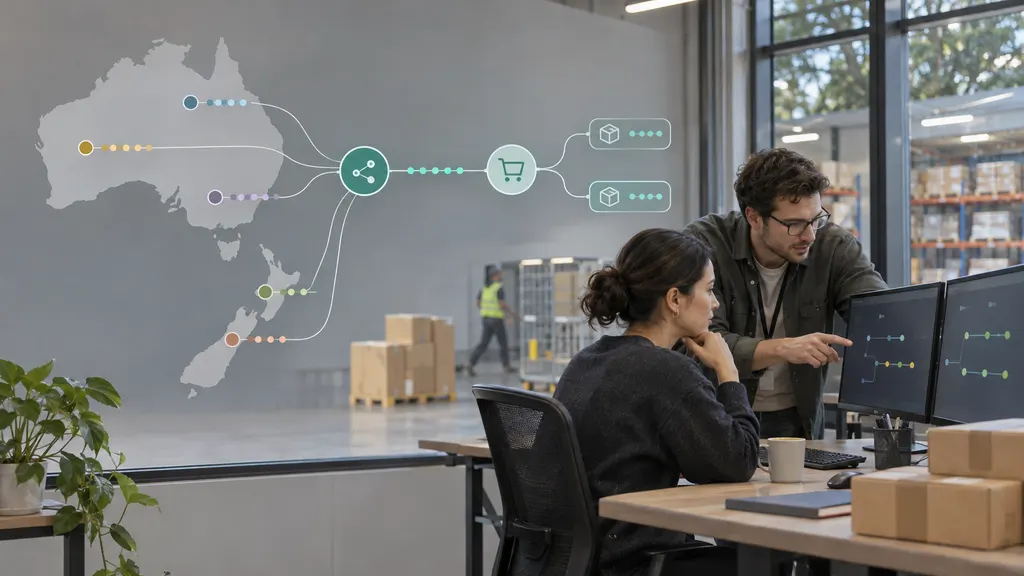
To track USPS Priority Mail International after it leaves the United States, first check the USPS tracking page with the full tracking number, then look for updates from the destination country’s postal operator if USPS stops posting scans. Once the parcel enters the international mail network, tracking visibility can depend on customs processing, handoff procedures, and the destination country’s scanning practices.
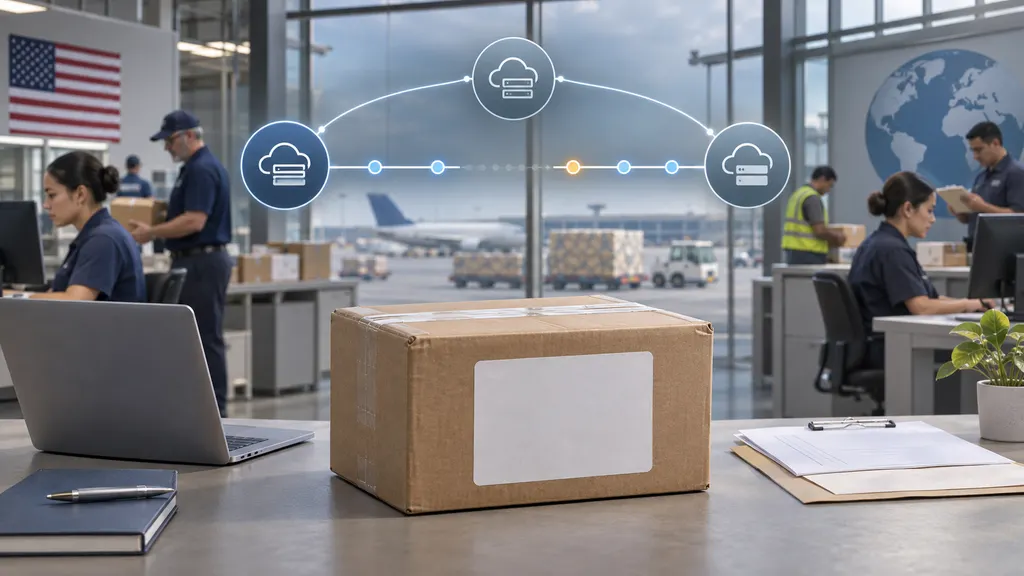
A tracking gap does not automatically mean that the package is lost. International mail may move between facilities without a public scan, and the next update may appear only when the destination postal administration receives, processes, or delivers the item.
What happens after USPS dispatches an international package?
USPS is responsible for accepting and processing the shipment in the United States. For an international Priority Mail shipment, the parcel can pass through several stages before delivery:
- Acceptance at a USPS retail location or processing facility
- Transportation to an international service center or export facility
- Export processing and dispatch from the United States
- Transportation to the destination country
- Customs presentation, inspection, or release
- Handover to the destination country’s postal operator
- Local transportation and final delivery
The tracking event that says the item has left the United States, was dispatched from an international service center, or was sent to the destination country is often the point at which customers notice fewer updates. USPS may continue to display the shipment history, but it may not receive every scan created after the parcel crosses the border.
International postal shipments are usually handled through cooperation between postal operators. The destination postal service may use its own tracking system, event descriptions, and update schedule. In some countries, the same tracking number can be recognized locally; in others, the destination system may show only selected events or may not expose all inbound international scans to the public.
Step 1: Check the USPS tracking record
Start with the official USPS tracking service. Enter the complete tracking number exactly as shown on the mailing receipt, shipping label, or sender’s order record. Avoid adding spaces or punctuation unless the tracking page specifically formats the number that way.
The USPS record can help you identify the shipment’s last confirmed event. Pay attention to wording such as:
- Accepted: USPS has received the parcel or recorded it at a processing location.
- In Transit: The shipment is moving through the network, although this status may remain unchanged while the parcel travels between facilities.
- Departed USPS Regional Facility: The package has left a domestic processing facility.
- Processed Through USPS Regional Facility: The package was scanned at a processing location, which may be part of the export process.
- Departed from Office of Exchange: The item has moved through an international exchange facility and may be progressing toward export.
- Processed Through Facility: The item has received a scan at a named international or domestic facility.
- Customs-related event: The item has entered, is being reviewed by, or has been released from a customs process.
Event wording can vary by shipment and destination. A status should be interpreted as a scan event, not as a precise live location. USPS tracking is not a continuous GPS service, so the latest event may describe the last recorded handling point rather than the package’s current position.
Step 2: Identify the last reliable handoff
The most useful question is not simply “Why has tracking stopped?” It is “Which organization most likely has the parcel now?” If the last event is in the United States and indicates export preparation, USPS may still be the best source for the next update. If the record indicates dispatch abroad, arrival in the destination country, customs processing, or transfer to a local delivery office, the destination postal operator becomes increasingly important.
Use the destination country and postal service named on the shipping address to find the operator’s official tracking page. Search for its international parcel or mail tracking tool, then enter the same tracking number. Use the official postal website rather than an unverified page that asks for payment or sensitive personal information.
Not every destination postal service provides the same level of visibility. The local website may show more events than USPS, fewer events, or no result at all. A failed search does not prove that the parcel is missing. It can mean that the destination system has not received an electronic pre-advice record, has not scanned the item yet, uses a different public tracking process, or limits the events available for a particular service.
Step 3: Compare tracking sources without creating duplicate cases
For a simple shipment, checking USPS and the destination postal operator is usually enough. If you manage several international parcels, a multi-carrier tracking tool can place scans from different postal networks in one view. 17TRACK’s tracking service is one option for checking carrier events across an international shipment. It can be useful when the carrier changes during transit, but its updates still depend on data supplied by the relevant carrier or postal network. It should supplement, not replace, the official carrier record when you need to submit an inquiry.
When you track USPS or another postal shipment through an aggregator, compare the event date, location, and status wording with the official source. Different systems may translate or group the same event differently. A difference in wording is not necessarily a difference in physical movement.
Why international tracking may pause
A gap after export can have several ordinary explanations:
Customs processing
The destination country may review the declaration, assess duties or taxes, request additional information, or release the package without displaying every internal step. Customs procedures are controlled by the destination country, not by USPS alone. If the tracking record specifically asks the recipient to contact customs or provide documentation, follow that instruction promptly.
Transport between postal facilities
Air or surface transport can occur between public scans. A parcel may be moving, waiting for dispatch, or queued for processing while the last event remains visible online.
Handoff between postal systems
International mail often passes from the originating postal operator to the destination operator. Data exchange and physical handoff do not always happen at the same time. The destination system may publish the next scan later.
Local delivery conditions
After customs release, the parcel may move through a national sorting center or local delivery office. Address issues, weekends, public holidays, weather, operational disruption, or an attempted delivery can affect the next visible event.
Limited destination-country visibility
Tracking availability is not identical in every country. Some services provide end-to-end events, while others expose only major milestones. The service terms and destination postal operator’s system determine what can be confirmed publicly.
When should you contact USPS?
Contact USPS when the tracking record appears inconsistent, the package has not received an expected update for an unusually long period, the item is marked delivered but cannot be found, or the sender needs to start an official inquiry. USPS can confirm what its own system records and explain which international inquiry options apply to the service and destination.
Have the following information ready:
- The complete tracking number
- The mailing date and acceptance location, if available
- The sender’s and recipient’s countries
- The latest tracking event and its date
- The customs declaration or mailing receipt, if relevant
- The recipient’s address and contact details
The sender is often the party best placed to contact the originating postal operator, especially when an inquiry or claim requires mailing records. The recipient should also check local postal notices, customs messages, and delivery attempts. Do not pay an unofficial “release fee” from a suspicious text message or email. Verify any request through the official postal or customs website.
When should you contact the destination postal service?
Contact the destination postal operator when the parcel appears to have arrived in the country, has a local customs or delivery event, or is shown as delivered but is not located. Provide the original tracking number and the complete delivery address. The local operator may be able to explain a domestic scan that USPS cannot see.
If the destination operator cannot find the number, ask whether it supports inbound international tracking for the specific USPS service. The absence of a local result is not enough to conclude that the item was never sent or is lost.
A practical decision process
- Copy the tracking number from the original receipt or shipping record.
- Check the official USPS tracking page and record the latest event and date.
- Classify the latest event as domestic transit, export, international transport, customs, or local delivery.
- If the parcel has left the United States, check the destination postal operator’s official tracker.
- Compare the two records without assuming that different wording means different movement.
- Check for customs requests, delivery attempts, address problems, or payment notices.
- Contact the appropriate postal operator or sender if the status is inconsistent or the delay exceeds the service’s applicable expectations.
Keep screenshots and receipts if the shipment is time-sensitive or commercially important. A clear timeline makes it easier for the sender, USPS, or the destination postal service to investigate the last confirmed handoff.
What tracking can and cannot tell you
Tracking can confirm recorded events such as acceptance, processing, dispatch, customs activity, and delivery. It cannot always provide a live location, explain every operational delay, or confirm the exact time a parcel will clear customs. A status such as “in transit” may remain visible while several physical steps occur.
The most reliable approach is to combine the official USPS record, the destination postal operator’s record, and any customs or delivery notice. Use a multi-carrier tracker when it helps consolidate updates, but treat the carrier’s own record as the primary reference for formal inquiries.
FAQ
Can I still track USPS Priority Mail International after it leaves the United States?
Often, yes. Continue checking USPS, then check the destination country’s postal operator using the same tracking number. The amount of information available depends on the destination and the postal services involved.
Why did USPS tracking stop after the package was dispatched abroad?
The package may be between scans, undergoing customs processing, or being transferred to the destination postal operator. USPS may not receive or display every event created after export.
Does a tracking gap mean my international package is lost?
No. A gap is not proof of loss. Check the official destination postal website and any customs or delivery notices before opening an inquiry. If the record remains unchanged beyond a reasonable service window or shows an exception, the sender should contact USPS.
Can the destination post office use my USPS tracking number?
It may be able to, but public tracking support varies by country and service. Enter the number on the destination operator’s official site or contact that operator if the shipment appears to have arrived locally.
Should I use 17TRACK or the USPS website?
Use USPS as the primary source for USPS events and formal support. 17TRACK can help consolidate updates from USPS and destination carriers, particularly when a shipment crosses postal networks, but aggregator results depend on carrier data availability.
Who should contact USPS about a missing international package?
The sender is generally the best person to begin an inquiry because the sender has the mailing receipt and shipment details. The recipient should also contact the destination postal service if the parcel has entered local delivery or customs.
Sources
- USPS Tracking — official tracking tool for USPS shipment events.
- USPS International Mail and Shipping Services — official information about international mailing services.
- USPS International Claims — official guidance on international claims and related procedures.
- Universal Postal Union EMS information — background on international postal cooperation and express mail services.
- 17TRACK Tracking — multi-carrier tracking service referenced as an optional consolidation tool.