Awaiting Collection Meaning: Who Picks Up Your Parcel and Where?
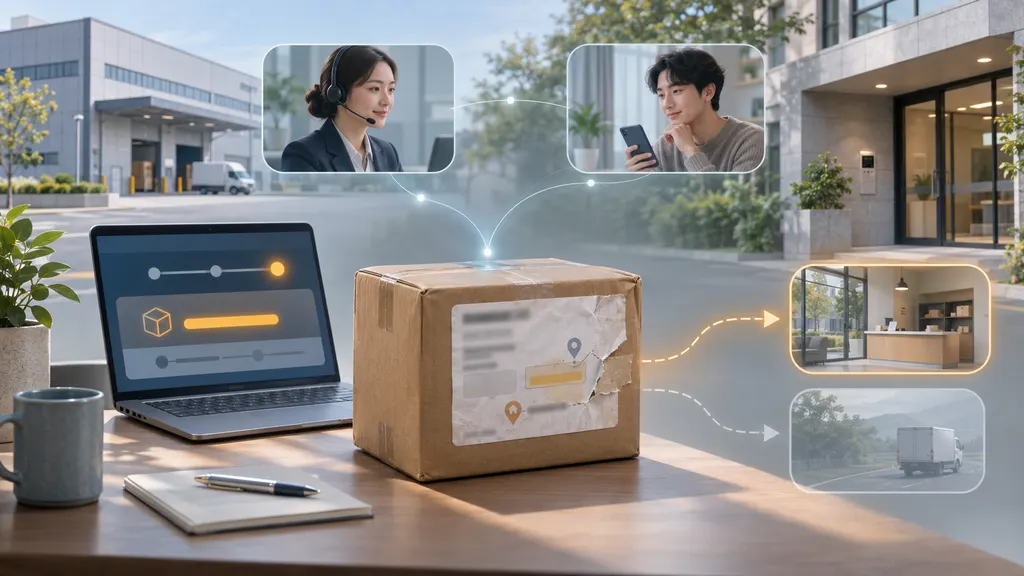
“Awaiting collection” usually means that a parcel is waiting at a designated pickup location for the recipient to collect it. The location may be a carrier service point, post office, parcel locker, retail partner, or another approved collection point. However, the wording is not universal: in some tracking systems, it can also mean that a carrier is waiting to collect the parcel from the sender. The exact context, the latest tracking event, and the carrier’s delivery instructions determine who must act next.
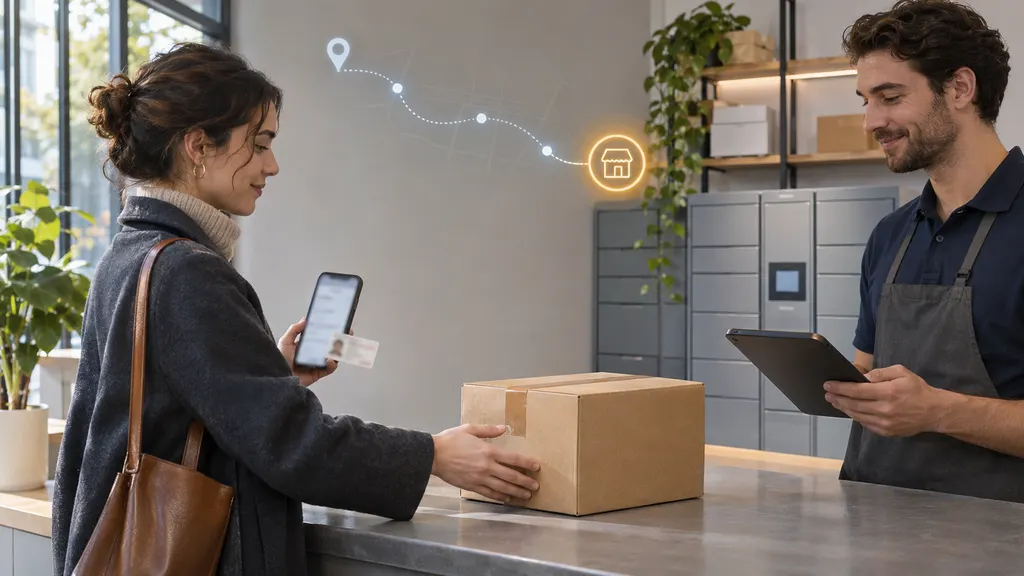
For most recipients, this status does not mean that the parcel is lost or still moving through the network. It generally indicates that delivery has shifted from door-to-door service to a collection step. Before travelling to a pickup point, check the detailed tracking event for the address, opening hours, collection deadline, and any identification or pickup code requirements.
What does “awaiting collection” mean?
Tracking platforms use similar phrases for different logistics events. “Awaiting collection” is best understood as a status describing a parcel’s next expected handoff, rather than a universal carrier status with one fixed definition.
When the parcel is waiting for the recipient, it has normally reached a local collection point and is being held until the recipient collects it. This can happen after a delivery attempt, when the sender selected pickup delivery, or when the carrier redirects the parcel because nobody was available at the delivery address.
When the parcel is waiting for the carrier, the sender has prepared or labelled it, but the carrier has not yet collected it. This interpretation is more common in order-management, warehouse, and ecommerce systems than in consumer-facing final-mile tracking. A related status may say “awaiting carrier pickup,” “shipment ready for collection,” or “label created.”
The distinction matters because the action owner changes:
- Awaiting recipient collection: the recipient usually needs to collect the parcel.
- Awaiting carrier collection: the sender, warehouse, or merchant usually needs to arrange or wait for the carrier pickup.
- Awaiting collection with no location: the carrier or seller may still need to provide the pickup address or release instructions.
Who picks up the parcel?
If the tracking page says the parcel is available at a service point, post office, locker, or collection shop, the recipient normally picks it up. A person authorised by the recipient may be able to collect it, but the requirements depend on the carrier and location. Some collection points ask for a government-issued ID, delivery notice, tracking number, pickup code, or proof of address. Others may require the person collecting the parcel to match the name on the shipment.
The sender does not normally collect a parcel that is being held for the recipient. The sender may become responsible only if the holding period expires, the recipient refuses delivery, the address cannot be verified, or the carrier returns the parcel to origin. Return arrangements vary, so a recipient should not assume that a missed collection will automatically result in a refund or a second delivery attempt.
If the status refers to a carrier pickup from the sender, the carrier is the party expected to collect the package. The sender should make sure the parcel is packaged, labelled, and ready at the agreed location and time. If no collection occurs, the sender should contact the carrier or shipping platform rather than waiting indefinitely.
Where is the parcel collected?
The collection location depends on the delivery service, the recipient’s choices, local carrier facilities, and the event that triggered the hold. Common locations include:
- Carrier service points: A carrier-operated or authorised location where customers can collect or drop off parcels.
- Post offices: Postal operators may hold items at a local branch after an attempted delivery or when a postal delivery option requires collection.
- Retail partner locations: Some carriers use participating shops, convenience stores, pharmacies, or other businesses as pickup points.
- Parcel lockers: The parcel may be placed in a locker and released with a code, QR code, mobile notification, or other access method.
- Depot or delivery station: In some cases, the carrier directs the recipient to a depot, although depots may have different opening hours and identification rules from public service points.
Do not rely on the name of the town alone. A tracking page may show a sorting facility, delivery depot, or carrier branch that is not open to the public. The correct collection point should be confirmed through the carrier’s instructions or the delivery notice. If a tracking aggregator displays only the status and not the address, use the carrier’s official tracking page or contact the merchant for the missing instructions.
Why does a parcel become awaiting collection?
A delivery attempt was unsuccessful
The most common reason is that the driver could not complete delivery. Possible causes include nobody being available, restricted building access, an incomplete address, or a local delivery rule requiring a signature. The carrier may leave a notice explaining where and when the parcel can be collected.
The sender selected pickup delivery
Some shipments are intentionally sent to a pickup point instead of a residential or business address. This can be useful when the recipient is unlikely to be available during delivery hours or when the sender wants a collection option at checkout. The recipient should receive the pickup address and any release instructions through the carrier, merchant, or delivery platform.
The recipient requested a location change
A recipient may redirect a parcel to a nearby service point, locker, workplace, or other approved address. Once the carrier confirms the redirection, the parcel may show a collection status while it is held at the new location.
The address or delivery instructions need attention
An incomplete address, inaccessible building, or unclear delivery instruction can prevent the carrier from completing the route. In these cases, the parcel may be held temporarily while the carrier seeks clarification or waits for the recipient to choose a delivery option.
The parcel is waiting for a carrier pickup
For a merchant or warehouse, “awaiting collection” may describe the period between preparing the shipment and the carrier’s first physical scan. A shipping label alone does not always prove that the carrier has possession of the parcel. If the status remains unchanged beyond the expected pickup window, the sender should check whether the package was handed over, whether the pickup was booked, and whether the carrier scanned the shipment.
What should you do next?
- Open the full tracking history. Look for the latest event, the carrier name, the facility or service point, and instructions such as “available for pickup” or “carrier collection pending.”
- Confirm who owns the next action. A recipient usually acts on an available-for-pickup event. A merchant or warehouse usually acts on an awaiting-carrier-pickup event.
- Verify the collection address. Use the official carrier page, delivery notice, or merchant order page. Do not assume that a nearby depot is the correct location.
- Check the collection deadline. Carriers and postal operators may hold parcels only for a limited period. The length of the hold can vary by service, destination, and local rules.
- Prepare the required information. Take the tracking number, pickup notification, access code, and any identification requested by the carrier.
- Contact the right party if details are missing. Contact the carrier for location, access, or delivery-event questions. Contact the seller for order details, address corrections, or replacement and refund options.
For cross-border orders, also check whether customs duties, taxes, or import documentation are mentioned in the tracking history. A collection instruction may be linked to a customs or address issue, but the tracking status alone does not prove why the parcel is being held. Follow the carrier’s official instructions before visiting a location.
How to interpret ambiguous tracking information
Tracking messages are often generated from carrier scans and then translated or standardised by a tracking platform. A short phrase may omit the reason, location, and deadline. This is why the event timestamp and surrounding scans are useful.
If the previous event says “delivery attempted,” “notice left,” or “redirected to pickup point,” the recipient-collection interpretation is more likely. If the previous event says “shipment information received,” “label created,” or “ready for carrier pickup,” the sender-collection interpretation is more likely. These clues are helpful but not conclusive because carriers use different event names and update schedules.
A multi-carrier tracking service such as 17TRACK can help users view shipment events in one place when an order passes between postal operators or logistics companies. The carrier’s own instructions remain the best source for the exact pickup address, eligibility rules, and collection deadline.
What if the parcel cannot be collected?
If you cannot reach the pickup point, first check whether another delivery option is available through the carrier. Some shipments can be redelivered or redirected, while others require the sender to submit a request. If someone else will collect the parcel, confirm the carrier’s authorisation requirements before sending them.
If the deadline has passed, the parcel may be returned to the sender. That does not necessarily mean the order is cancelled. The merchant may be able to arrange another shipment, but additional delivery charges, address corrections, or refund conditions may apply. Ask the seller what will happen before placing a replacement order.
If the tracking status has not changed for several business days and no collection address is shown, keep a record of the order number, tracking number, status history, and delivery messages. The seller is usually the best escalation point for an ecommerce order because the seller can contact the carrier under the shipping account and decide whether to replace or refund the order. A recipient should avoid marking an order as delivered merely because it has reached a collection facility.
How merchants can reduce collection confusion
Merchants can prevent avoidable support requests by displaying the carrier’s collection instructions in the order confirmation and shipping notification. The message should identify whether the parcel is going to a pickup point or waiting for a carrier pickup, and it should link to the relevant tracking page.
Operational teams should also distinguish between “label created,” “ready for carrier pickup,” “picked up by carrier,” “available for recipient collection,” and “returned to sender.” Treating these as one generic pending status makes it difficult to identify whether the next action belongs to the warehouse, carrier, or customer.
For ecommerce orders, a clear post-purchase tracking experience should show the latest event, the responsible party, the collection location, and the next recommended action. When a carrier does not provide a reliable deadline or location in its public event data, the merchant should direct customers to the carrier or provide a support route rather than guessing.
FAQ
Does “awaiting collection” mean my parcel has been delivered?
Not necessarily. It usually means the parcel is waiting for a collection step, often at a pickup location. It may not have been delivered to the final recipient. Check whether the event says “available for pickup,” identifies a service point, or instructs the carrier to collect the package from the sender.
Can someone else collect my parcel?
Possibly, but the rules vary. The carrier or pickup location may require written authorisation, the recipient’s identification, the collector’s identification, a tracking number, or a pickup code. Confirm the requirements before sending another person.
How long will a parcel remain awaiting collection?
There is no single period that applies to every carrier or service. The holding period depends on the carrier, location, service type, and local operating rules. Use the delivery notice or official tracking instructions rather than relying on a general estimate.
What does “awaiting carrier collection” mean?
It generally means the sender has prepared the shipment and the carrier has not yet collected or physically scanned it. The sender should check the scheduled pickup, handoff location, and label details. If the status remains unchanged, the sender should contact the carrier or shipping provider.
Why does the tracking page show awaiting collection but no address?
The tracking platform may not display the carrier’s full delivery instructions, or the event may refer to a carrier pickup rather than recipient collection. Check the carrier’s official tracking page and contact the seller if the correct pickup location is still unavailable.