USPS Tracking API: How 17TRACK Helps Businesses Track USPS Shipments in Bulk
17TRACK
For businesses handling large volumes of USPS shipments every day, checking each package individually takes time and makes it difficult to keep up with every delivery. Which packages are still in transit? Which are delayed or have had an unsuccessful delivery attempt? All of these developments need ongoing attention.
With a USPS Tracking API, cross-border merchants, ecommerce platforms, and logistics providers can retrieve tracking information in bulk and sync delivery progress with order management and customer service systems. This supports centralized shipment management, delivery exception monitoring, and automatic status updates, helping improve fulfillment efficiency and reduce manual work.
17TRACK has signed a data access agreement with USPS, obtains tracking data through official channels, and supports businesses in authorizing tracking access through their USPS accounts. Combined with bulk tracking, standardized statuses, and automated updates, these capabilities help businesses manage USPS packages efficiently.

1.What Is USPS? A Major US Postal and Package Delivery Provider
USPS, the United States Postal Service, is an independent postal agency established by the US federal government. Providing mail, package shipping, and last-mile delivery services through a network that reaches cities, suburbs, rural communities, and some remote areas across the United States.
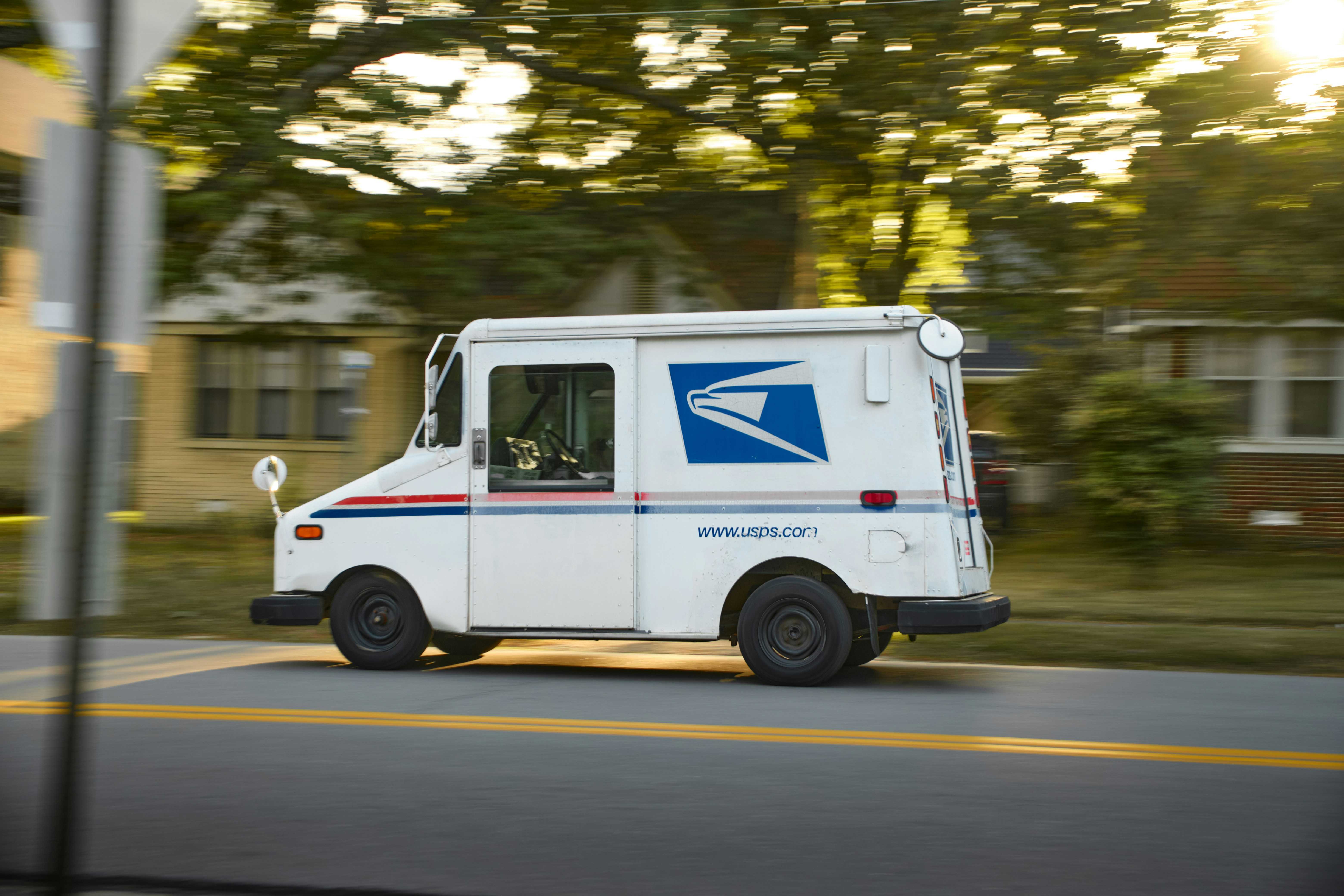
According to the 2026 Parcel Shipping Index published by Pitney Bowes, USPS handled approximately 6.2 billion packages in the United States in 2025, accounting for around 27% of total US parcel volume. USPS reports that its delivery network reaches approximately 170.4 million delivery points nationwide, making it an important carrier for US ecommerce fulfillment.
USPS also handles last-mile delivery for many international packages after they enter the United States. Access to timely tracking information helps businesses follow the final stages of delivery and maintain a clearer view across international transportation and local US delivery.
2.Why Do Businesses Need a USPS API ?
For businesses handling hundreds, thousands, or more USPS shipments each day, the challenge goes beyond finding a package. They need to retrieve tracking information in bulk, monitor delivery progress over time, and match the data to the correct orders. Individual lookups become especially difficult when orders come from multiple stores, warehouses, or shipping channels.
2.1 Individual Lookups Make High-Volume Shipment Management Difficult
With manual tracking, support and operations teams must enter each USPS tracking number, review its history, and record the results in their order system. As order volumes grow, these repetitive tasks take up more time.
Different team members may check the same package repeatedly while still lacking a clear view of overall deliveries. Some order records are updated while others remain out of date, making customer communication and exception handling more difficult.
2.2 Changing Access Rules Add Complexity Across Shipment Sources
Effective April 1, 2026, USPS introduced new rules for access to tracking data, with additional requirements concerning requester identity, account authorization, and the relationship to the shipment. Having a USPS tracking number alone does not remove the need to meet the applicable access conditions.
A cross-border business may receive USPS tracking numbers from different warehouses, shippers, or logistics providers. Platforms serving multiple merchants and businesses using several shipping channels also need to clarify shipment sources and the corresponding authorizations.
Bulk tracking therefore requires more than technical integration. Businesses must also confirm their right to access the data. Clear authorization and compliant data access are essential prerequisites.
2.3 Changing Delivery Statuses Require Ongoing Updates
From shipment to delivery, a package moves through several stages and may encounter delays, await collection, or have an unsuccessful delivery attempt. A single lookup provides only a snapshot and cannot support ongoing management.
Businesses building their own tracking systems must also schedule lookups, manage request frequency, handle failed queries, and sync updates. When new information does not reach business systems promptly, support teams may struggle to answer customers accurately, and operations teams may miss the opportunity to follow up on delivery problems.
Businesses need a tracking solution that continually retrieves USPS shipment information and feeds integrate updates into their workflows, rather than an interface for occasional lookups alone.
3.17TRACK Works with USPS to Deliver Compliant, Reliable Shipment Tracking
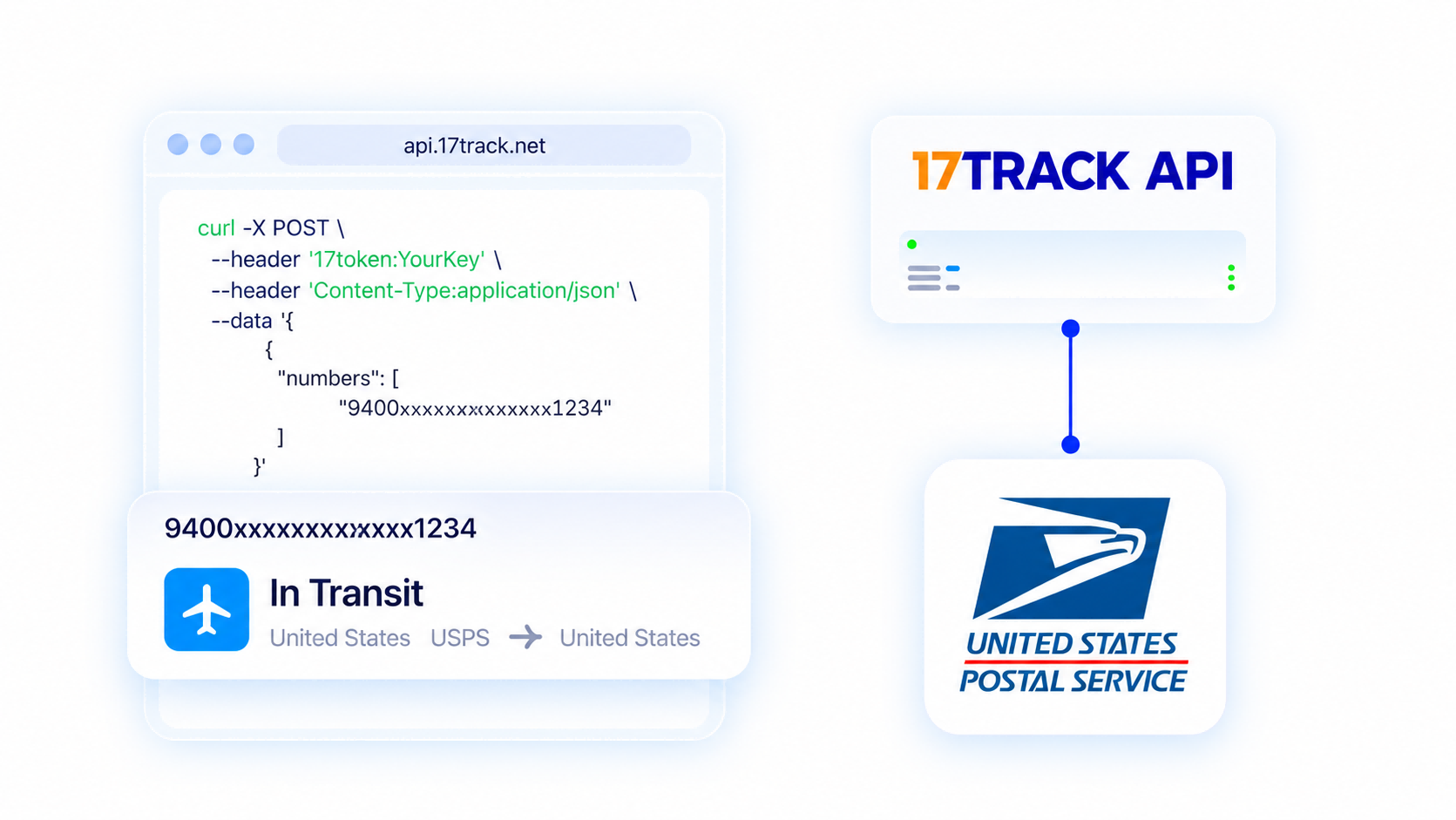
For businesses relying on USPS tracking data over the long term, the source of the data, access permissions, and compliance with official requirements all matter.
17TRACK has signed a data access agreement with USPS, obtains tracking data through official channels, and regularly reviews data usage. Clear requirements for accessing and using the data help maintain reliable sourcing and compliant use, providing businesses with verified USPS tracking information.
17TRACK supports businesses in granting the relevant tracking permissions to 17TRACK through the official USPS account portal. Linking customer accounts with these permissions establishes a clear authorization relationship, helping ensure that data access and transfer comply with USPS requirements.
For businesses working with multiple merchants, warehouses, or shipping channels, 17TRACK also help clarify account authorizations and data access arrangements and provide integration support. This helps establish a tracking workflow with clear data sources, defined permissions, and traceable usage.
4.Why Choose the 17TRACK USPS Tracking API? Five Key Benefits
Alongside its official data collaboration with USPS, 17TRACK offers bulk tracking, status management, automated updates, and multi-carrier tracking. These capabilities help businesses bring tracking information into order management, customer service, and daily operations.
4.1 Track USPS Shipments in Bulk and Reduce Manual Lookups
17TRACK Tracking API supports bulk registration and tracking of USPS shipments. Businesses can add eligible shipments to one tracking service and link them to orders, stores, and shipping channels in their own systems to manage delivery progress centrally.
Support teams can avoid repeatedly switching between tracking pages, while operations teams can identify orders that need follow-up. As order volumes grow, businesses can maintain a consistent workflow with less duplicate entry and manual recordkeeping.
4.2 Nine 9 Main Statuses and 30 Sub-Statuses Make Tracking Clearer
Carriers may describe similar delivery situations statuses differently, making tracking information harder to manage across providers.
17TRACK provides nine 9 main statuses and 30 sub-statuses, organizing tracking events from USPS and other carriers into standardized categories. This helps businesses identify situations statuses such as in transit, out for delivery, failed delivery, and delivered.
Enables support teams answer tracking questions more accurately, operations teams can filter orders with delivery exceptions, and developers can reduce the need to maintain separate status rules for each carrier. The standardized data also supports order updates, automated notifications, and exception handling.
4.3 Receive Automatic Tracking Updates Through Webhooks
Tracking information changes as delivery progresses. Manual checks may miss updates, while custom polling programs require ongoing maintenance.
17TRACK Tracking API supports automatic webhook notifications. When 17TRACK obtains new tracking information for a registered shipment, it can send the data to the business’s designated endpoint, reducing repeated active lookups.
Businesses can feed integrate these updates into order management systems, support platforms, or operations tools and trigger actions according to their own rules, reducing manual synchronization.
4.4 Manage USPS and Other Shipping Channels Across 3,500+ Carriers
For cross-border businesses, USPS is often only one part of the shipping network. They may also use UPS, FedEx, DHL, other national postal services, or dedicated cross-border shipping providers. Developing and maintaining separate integrations increases technical work.
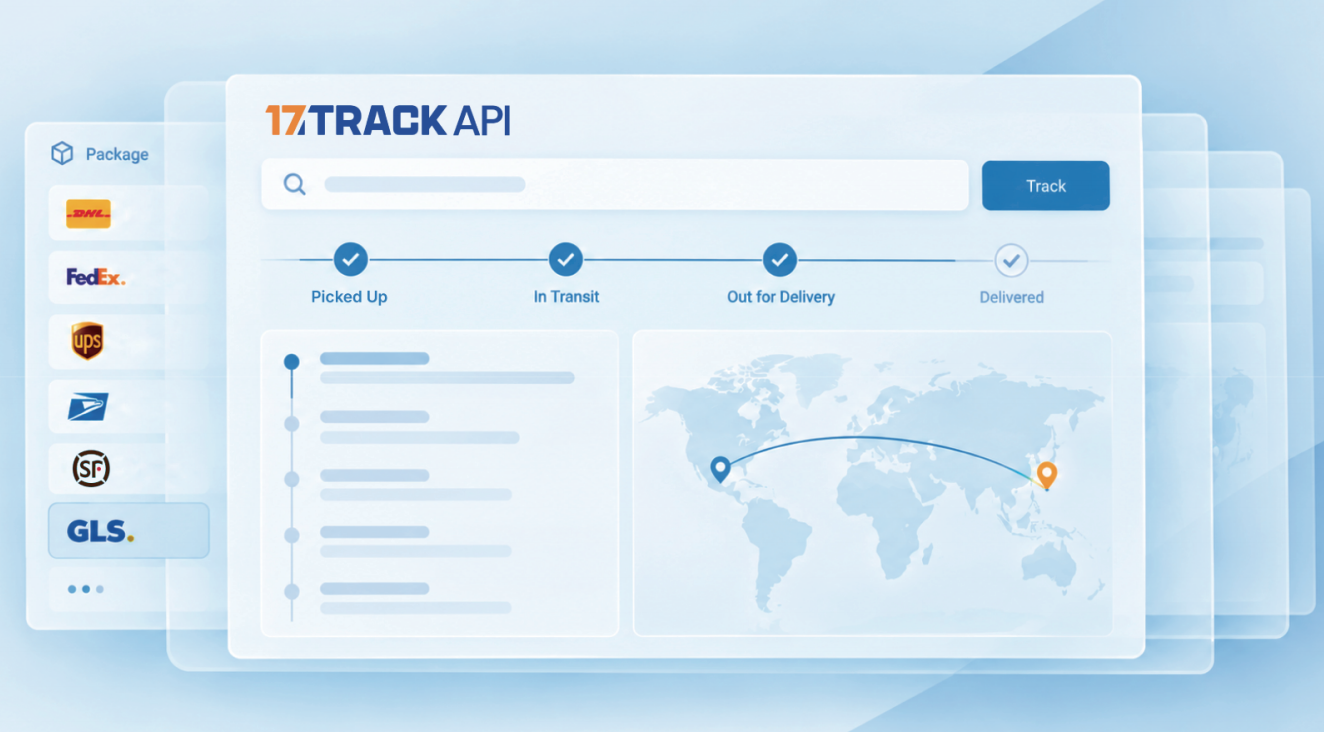
17TRACK covers 3,500+ carriers across 230+ countries and regions. Through one Tracking API, allowing businesses track USPS and other supported carriers, bringing package information from different markets and shipping channels together.
When expanding into new markets or adding shipping partners, businesses can continue using the existing service where supported, without rebuilding the entire tracking function for each carrier.
4.5 Ongoing Support Helps Businesses Prepare for Growth
Tracking requires attention beyond the initial integration. As order volumes grow, shipping channels change, or systems are upgraded, the service needs to evolve with the business.
Depending on the service plan, 17TRACK provides integration support, a dedicated customer success manager, ongoing operational follow-up, and monthly or quarterly business reviews. Businesses work with the service team to investigate missing tracking information, unusual updates, or requests for additional carrier coverage.
Ahead of peak periods such as Black Friday, businesses can also discuss tracking needs, expected shipment volumes, and support arrangements in advance.
5.USPS Tracking API FAQs
5.1 What Is the US Postal Service API, and What Tracking Needs Does 17TRACK Support?
US Postal Service API generally refers to USPS’s official API services, which cover tracking and other business functions. This article focuses on package tracking, rather than rate quotes, address services, or label creation.
Businesses can use 17TRACK Tracking API for bulk tracking, delivery status synchronization, and delivery exception management. The applicable scope depends on shipment sources and access conditions.
5.2 How Can Businesses Use 17TRACK for USPS package tracking API ?
Businesses can register eligible USPS shipments through 17TRACK Tracking API, retrieve tracking information, and receive subsequent updates through webhooks. This data can be integrated into ERP systems, order management systems, or customer support platforms to display delivery progress and follow up on delivery exceptions. Available data and updates should be confirmed based on the source of the tracking numbers, authorization arrangements, and the service plan.
5.3 USPS Tracking API Free: Is a Free Trial Available?
17TRACK offers free USPS package tracking on its website, subject to a limit on the number of free lookups. For bulk tracking and automated data synchronization, 17TRACK offers an enterprise Tracking API service with plans suited to different business volumes.
5.4 Can I Automate USPS Parcel Tracking Without API Development for a Direct USPS Connection?
If a business’s ERP, order management system, or shipping platform already integrates with 17TRACK, it may be able to track USPS packages through that platform without developing a separate integration. Confirm the available features with the platform provider.
Businesses with custom systems can integrate with 17TRACK Tracking API and receive updates through webhooks. This reduces the work of building and maintaining a separate USPS tracking integration and also supports other covered carriers.
5.5 Is USPS Tracking API Python Integration Supported?
Yes. 17TRACK provides an HTTP-based API. Businesses using Python can follow the official documentation to make requests, receive updates through webhooks, and connect tracking data to existing systems. Data access permissions and supported features should be confirmed for the specific business.
Conclusion
For businesses managing large volumes of USPS shipments, effective tracking means more than faster lookups. It means keeping delivery information flowing accurately and consistently into everyday workflows.
From official data access and account authorization to bulk tracking, standardized statuses, and automatic updates, 17TRACK helps businesses reduce manual lookups and duplicate development work. It brings USPS and global tracking information into a more efficient workflow that supports continued growth.