USPS Ground Advantage Explained: Delivery Times, Rates, Limits & Tracking
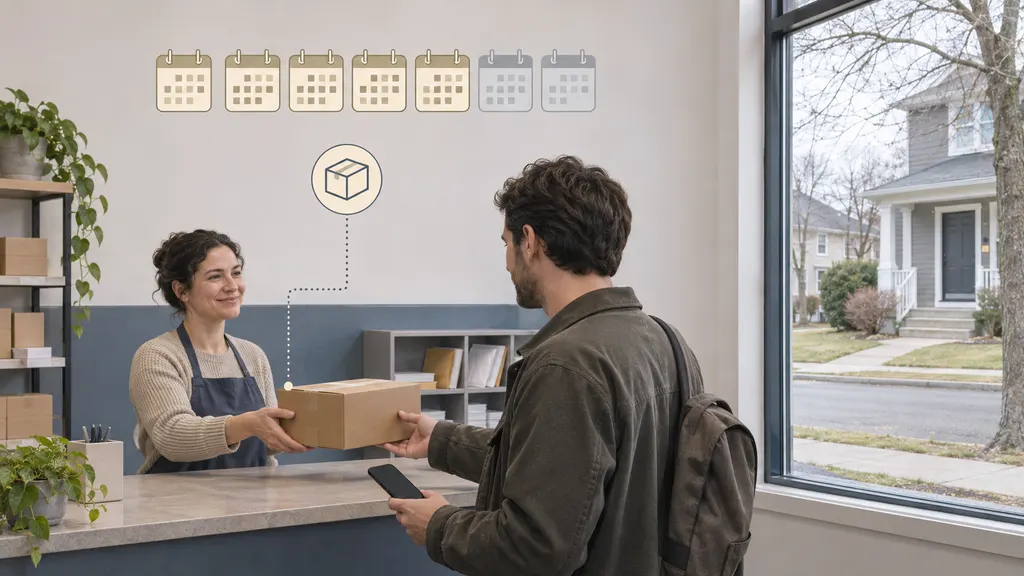
USPS Ground Advantage is a domestic package shipping service with an expected delivery time of 2–5 business days, USPS Tracking, and $100 of included insurance for eligible shipments. Packages can weigh up to 70 pounds and measure up to 130 inches in combined length and girth. Rates depend on weight, destination, package dimensions, and how you buy postage. It is a practical choice for routine shipments, but the delivery estimate is not a money-back guarantee.
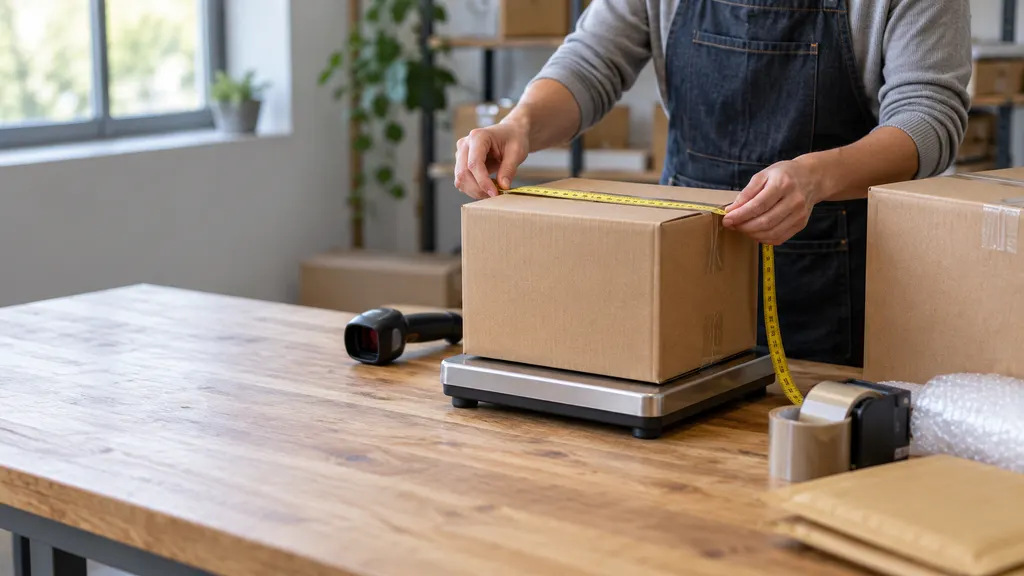
For senders, the main task is to measure the packed box accurately and compare the actual postage quote with the delivery requirement. For recipients, the tracking history—not just the service name—provides the most useful information about an individual package.
What USPS Ground Advantage includes
Ground Advantage is designed for domestic parcels that do not require a guaranteed delivery date. USPS lists tracking and $100 insurance as included features, subject to its eligibility rules and claims requirements. Coverage does not mean every loss or damage claim automatically qualifies for a $100 payment.
| Feature | What to know |
|---|---|
| Expected delivery | 2–5 business days for standard eligible shipments; some destinations and contents require longer. |
| Tracking | USPS Tracking is included. |
| Included insurance | $100 for eligible shipments, subject to USPS terms. |
| Maximum weight | 70 pounds. |
| Maximum size | 130 inches in combined length and girth; oversized pricing can apply below that maximum. |
| Pricing structure | Weight- and zone-based pricing, with dimension-related charges where applicable. |
The service is for domestic shipping, not an international shipping option. For destinations outside the contiguous United States, check the route-specific estimate rather than assuming the standard delivery window applies unchanged.
How long does USPS Ground Advantage take?
USPS advertises an expected delivery window of 2–5 business days. That is a service expectation, not a promise that every parcel will arrive within five days. Weather, transportation disruptions, address problems, and other operational issues can affect individual shipments.
The shipping-label creation date is not necessarily the start of postal transit. A seller can purchase postage before handing over the package. When checking elapsed time, look for an acceptance event or another scan showing that USPS has possession, and account for the mailing location’s acceptance cutoff.
When the standard estimate needs extra caution
- Alaska, Hawaii, and offshore destinations: USPS identifies exceptions that can take longer than the standard window. Use the destination-specific estimate.
- Hazardous materials: Eligible hazardous-material shipments can have different transportation restrictions and longer delivery expectations.
- Late handoff: A parcel deposited after the final collection may not begin processing when the sender expects.
- Address or delivery-access problems: An incomplete apartment number or inaccessible delivery location can interrupt the final stage.
For a birthday gift, event supplies, or a replacement part needed on a fixed date, do not treat the upper end of the estimate as a guaranteed deadline. Choose a service with terms that match the consequence of arriving late, or leave a meaningful buffer.
USPS Ground Advantage rates: how to get a useful quote
There is no single Ground Advantage price that applies to every package. A starting price is not a reliable budget for a shipment with a different weight, destination, or box size. USPS also distinguishes between retail and commercial prices; the amount available to you depends on the purchasing channel and applicable eligibility.
Use the USPS Postage Price Calculator for a retail estimate. If you buy postage through a shipping platform or business account, obtain a separate quote there using exactly the same shipment details. A quote from one purchasing channel should not be assumed to apply to another.
What determines the price?
- Packed weight: Weigh the item with its box, padding, tape, and other shipping materials.
- Origin and destination: USPS uses postal zones as part of its rate structure.
- Outside dimensions: A large, light package can cost more than its scale weight suggests.
- Size-related rules: Dimensional weight, nonstandard fees, or oversized pricing may affect the final charge.
- Optional services: Additional insurance or other eligible extras can increase the total.
For packages under one pound, Ground Advantage uses ounce-based price tiers. Heavier packages use pound-based pricing under USPS rounding rules. Enter the actual measured weight into the postage tool rather than choosing a lower bracket to match a target budget.
A practical quoting process
- Pack the shipment completely before measuring it.
- Record its weight and outside length, width, and height.
- Enter the origin and destination ZIP Codes and intended mailing date.
- Select Ground Advantage and check whether dimension-related charges apply.
- Add any optional services you need before comparing totals.
- Save the mailing receipt and the measurements used to buy the label.
For example, a compact box of dense hardware and a large box containing a lightweight lampshade may have very different pricing outcomes. The hardware’s physical weight is an obvious cost driver; the lampshade’s packaging may trigger size-based pricing. Smaller packaging can help only if it still protects the contents adequately.
Rate-checking rule: Use a live quote for the actual mailing date. Postal prices and fees can change, so a dollar amount copied from an older article may not represent the amount payable when you ship.
Weight, size, and contents limits
The general maximum is 70 pounds and 130 inches in combined length and girth. These are acceptance limits, not a promise that every package below them qualifies for ordinary weight-based pricing. Packages exceeding 108 inches in combined length and girth can fall into oversized pricing while remaining within the maximum size.
How to measure length and girth
Length is the longest side. Girth is the distance around the package perpendicular to that length. For a rectangular box, calculate combined length and girth as:
Length + 2 × width + 2 × height
A box measuring 30 inches long, 20 inches wide, and 15 inches high has a combined length and girth of 100 inches: 30 + 40 + 30. That calculation checks one size limit; it does not establish the postage price or rule out dimensional-weight or nonstandard charges.
Measure the finished package, including bulges or protruding parts. For irregular shapes, consult the applicable USPS measurement rules rather than using the dimensions of an imaginary smaller box.
Ground shipping does not make every item mailable
Some goods are prohibited, while others require specific packaging, markings, documentation, or transportation methods. Batteries, perfumes, aerosols, and other potentially hazardous contents need particular attention. Eligibility can depend on the item’s condition, quantity, chemistry, and how it is packaged.
Check USPS Publication 52 before buying a label for restricted or hazardous contents. Selecting a ground service does not replace those requirements.
How to track a Ground Advantage package
Ground Advantage includes USPS Tracking. Find the tracking number on the mailing receipt, postage confirmation, or retailer’s shipment notification, then enter it on the official USPS tracking page.
If you also follow parcels from other carriers, 17TRACK offers an alternative place to check tracking numbers. For delivery questions, missing-mail searches, and insurance claims, USPS remains the carrier responsible for the postal shipment; a tracking platform does not control its movement or resolve a claim.
What common tracking messages mean
- Shipping Label Created, USPS Awaiting Item: A label exists, but this status does not establish that USPS has received the parcel.
- USPS in Possession of Item: A tracking event indicates that USPS has the package.
- In Transit or Moving Through Network: The shipment is progressing through the postal network; the message does not necessarily provide a precise live location.
- Out for Delivery: The package is in the delivery stage, although an access problem or other exception can still prevent completion that day.
- Delivered: USPS has recorded delivery. Review the scan’s location details if the parcel is not immediately visible.
Tracking is scan-based, not continuous GPS monitoring. A gap between events does not by itself prove that a parcel is lost. Equally, a generic in-transit update is not proof that it will arrive by the original estimate.
What to do if delivery is late or tracking stops
The next step depends on the latest event and whether you are the sender or recipient.
- If USPS is still awaiting the item, contact the sender. Ask when and how the package was handed over. The seller is best placed to verify fulfillment and provide a mailing receipt.
- If the package is in the postal network, review the estimate and alerts. Check for a revised date, address exception, or service disruption before assuming the parcel is lost.
- Use the USPS missing-mail process when appropriate. Follow the instructions on the Missing Mail page; the available actions depend on the shipment’s circumstances and elapsed time.
- If it says delivered, check the recorded location. Look in the mailbox, parcel locker, building mailroom, and other secure delivery locations. Ask household members or building staff before escalating.
- Preserve evidence if loss or damage is suspected. Keep the receipt, proof of value, photographs, packaging, and tracking number.
A missing-mail search and an insurance claim serve different purposes. The search attempts to locate the shipment; a claim requests compensation under applicable coverage. Follow the USPS claims instructions for filing windows and required evidence. Do not discard damaged contents or packaging before checking whether inspection is required.
Recipients who bought from a retailer should also contact that retailer about its replacement or refund process. The seller’s customer-service obligations and the postal insurance process are separate issues.
When Ground Advantage is a sensible choice
Ground Advantage fits routine merchandise, household items, and other eligible domestic parcels when cost matters more than a guaranteed arrival date. It is less suitable when a missed deadline would defeat the purpose of the shipment, or when a bulky package’s size-related charges erase the expected savings.
Before paying, confirm three things: the contents are mailable, the final packed measurements are correct, and the route-specific estimate meets your needs. Those checks are more useful than choosing solely on the service’s advertised delivery range.
FAQ
Does USPS Ground Advantage deliver on Saturdays?
Saturday delivery is available as part of regular USPS delivery operations. Do not automatically count only Monday through Friday when interpreting a shipment estimate, but rely on the date shown for the particular package and account for postal holidays.
Can I use a Priority Mail box for Ground Advantage?
No. USPS-provided Priority Mail packaging is intended for the corresponding service and cannot be used to obtain Ground Advantage postage. Use your own suitable packaging or packaging specifically eligible for the service you purchase.
Is $100 insurance the amount I will receive if a package is lost?
Not automatically. A claim must meet USPS requirements, and payment depends on the covered loss and supporting evidence, subject to the coverage limit. Keep proof of mailing and proof of the contents’ value.
Does a five-day delay qualify for a postage refund?
The standard Ground Advantage delivery estimate is not a money-back delivery guarantee. A late arrival alone should not be treated as an automatic entitlement to a postage refund. Loss or damage may involve a separate insurance claim.
Can I track a package using only my order number?
A retailer’s order number is usually different from the USPS tracking number. Check the shipment confirmation or your retailer account, or ask the seller for the carrier tracking number.
Sources
- USPS Ground Advantage — service features, expected delivery, insurance, and package limits.
- USPS Postage Price Calculator — shipment-specific retail postage estimates.
- USPS Postal Explorer — Domestic Mail Manual and official price references for detailed mailing and pricing rules.
- USPS Publication 52 — hazardous, restricted, and perishable mail requirements.
- USPS Tracking — individual shipment tracking.
- USPS Missing Mail — steps for delayed or missing shipments.
- USPS Domestic Claims — insurance claim procedures and documentation requirements.
- 17TRACK package tracking — optional tracking-number lookup.