Handling
What Is Handling?
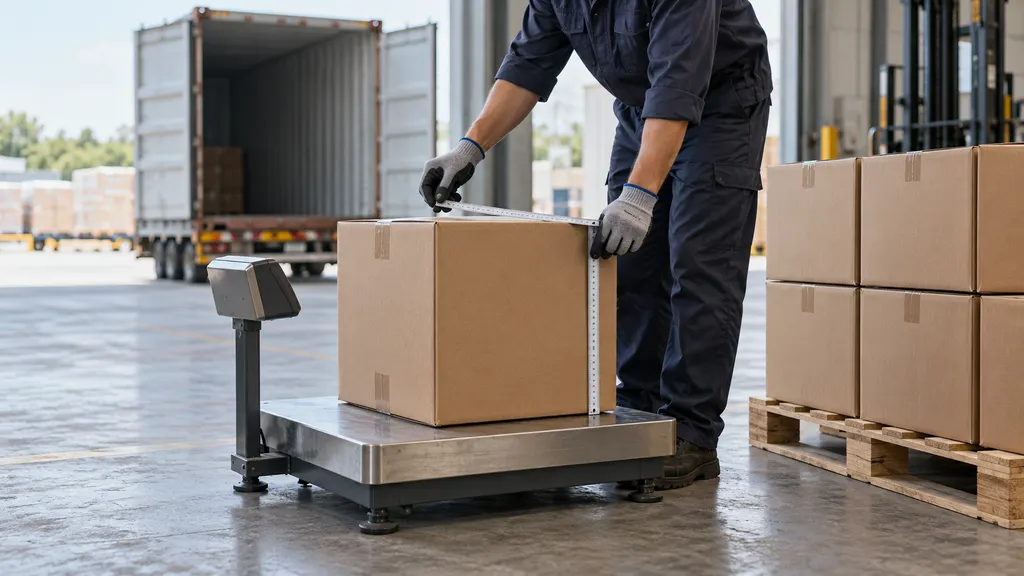
Handling in logistics is the physical work involved in moving, positioning, loading, unloading, and otherwise manipulating goods during storage, transportation, and order fulfillment. It includes activities such as lifting a carton, moving a pallet, placing an item in a storage location, and transferring a shipment between vehicles. Handling can be performed manually, with mechanical equipment, or through automated systems.
In ecommerce, the term also appears in expressions such as handling time and handling fee. These describe an order-processing interval or a charge associated with preparing goods for dispatch, rather than a single physical action. The precise meaning therefore depends on whether the term appears in a warehouse procedure, a delivery estimate, a carrier document, or a seller's checkout policy.
Handling Across the Logistics Process
Handling occurs wherever goods are physically received, moved, prepared, or transferred. It connects transportation with storage and fulfillment: a vehicle carries goods between locations, while handling operations move those goods onto the vehicle, off it, or through the facilities at either end.
The following examples describe activities at different stages of a logistics process. They are operational examples, not a formal classification system.
| Stage | Handling activity | Operational purpose |
|---|---|---|
| Receiving | Unloading cartons and placing them in a receiving area | Make incoming goods available for checking and storage |
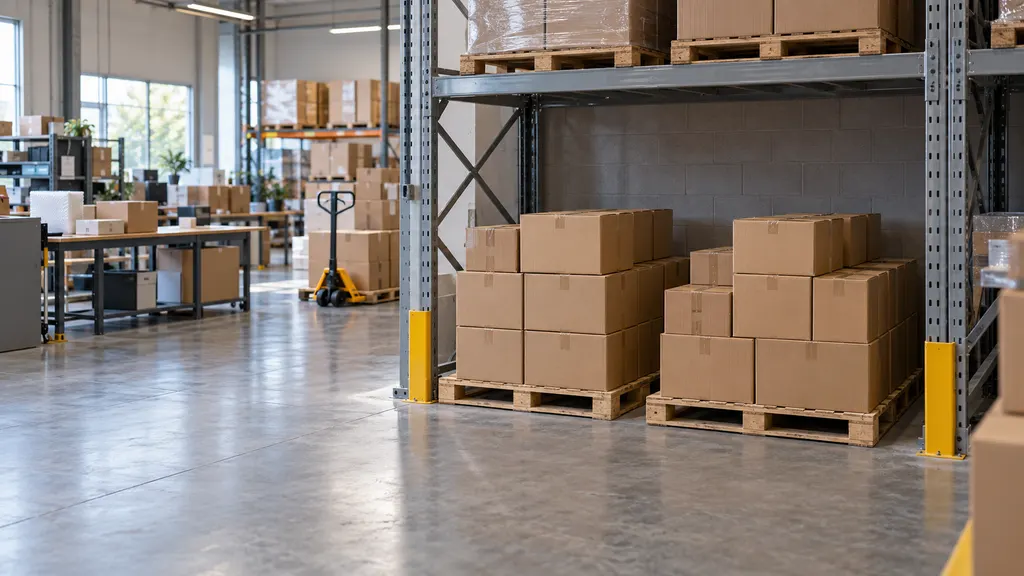
| Storage | Moving goods to shelves, bins, or pallet locations | Position inventory for safekeeping and later retrieval |
| Order preparation | Picking items, transferring them to a packing station, and packing them | Prepare the goods required for an order |
| Dispatch | Sorting parcels and loading a collection vehicle | Transfer prepared shipments into transportation |
| Transport transfer | Unloading and reloading goods at a terminal | Move shipments between vehicles or transport stages |
| Returns | Unpacking, inspecting, and moving returned goods | Support decisions about restocking, repair, or other disposition |
Physical handling and recordkeeping are related but distinct. Moving a carton changes its physical position; recording the move updates information about its location or status. A scan may accompany a handling event, but a scan alone does not mean that the goods have moved.
Methods and Practical Requirements
Manual and equipment-assisted handling
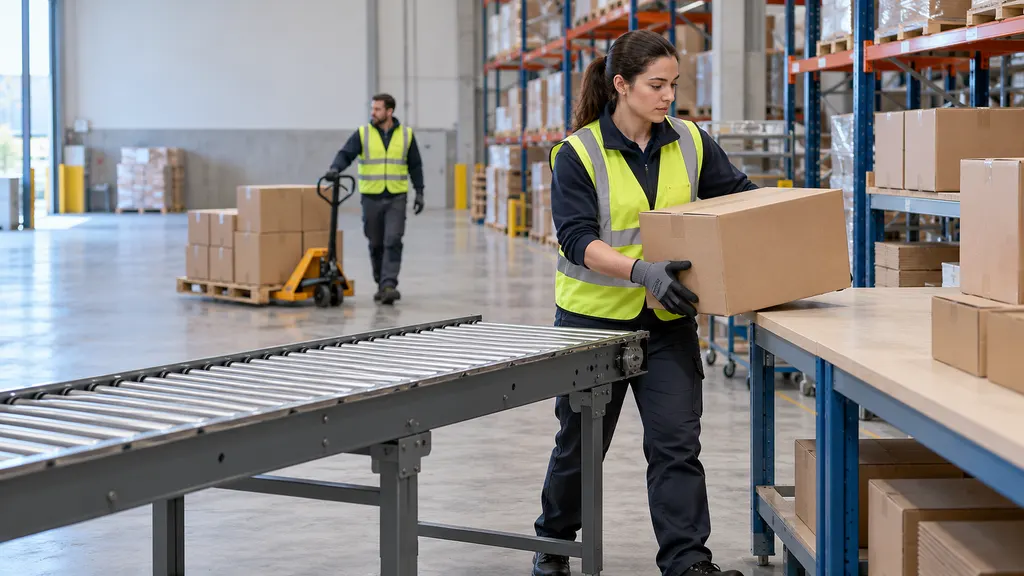
Manual handling involves a person applying physical effort to move or support goods. Examples include lifting, lowering, carrying, pushing, and pulling. Equipment-assisted handling uses devices such as carts, pallet trucks, forklifts, conveyors, or lifting aids. Automated systems may carry out selected movements with limited direct human intervention.
These methods can overlap within one workflow. For example, a worker may remove an item from a shelf by hand, place it on a conveyor, and later use a pallet truck to move the packed shipment. Describing an operation as automated does not establish that every handling task within it is automated.
Factors that affect the handling method
The appropriate method depends on the goods, the task, the equipment, and the working environment. Relevant considerations include:
- Weight and dimensions: Large or awkward goods may require equipment even when their weight alone appears manageable.
- Stability and shape: An uneven load or shifting contents can make movement less predictable.
- Fragility: Goods vulnerable to impact or compression may need protective packaging and controlled movement.
- Task frequency and posture: Repeated lifting, long reaches, and twisting can create ergonomic risks.
- Travel route: Narrow aisles, uneven surfaces, ramps, and obstructions affect how goods can be moved.
- Product-specific requirements: Some goods require temperature control, contamination prevention, or procedures governed by applicable dangerous-goods rules.
There is no single handling method suitable for every shipment. Nor should a single weight threshold be treated as proof that a manual task is safe. An assessment must consider the complete task and applicable workplace requirements. The US Occupational Safety and Health Administration's materials-handling guidance addresses both manual and mechanical movement, while its storage requirements address matters such as clear passageways and stable stacking.
Handling Time in Ecommerce
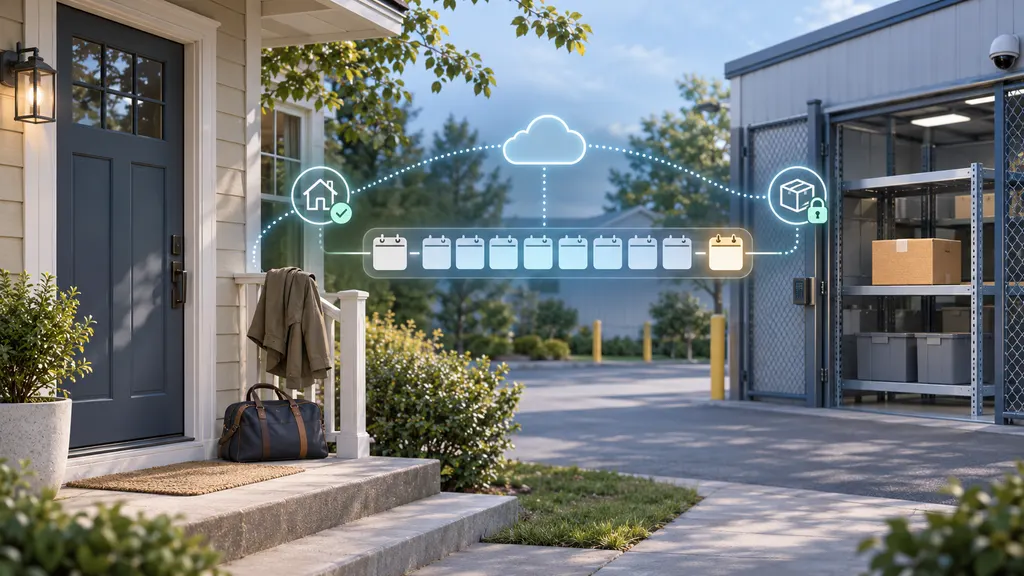
Handling time is the interval a seller or fulfillment operation uses to process an order and prepare it for dispatch. Depending on the stated policy, it may include order review, picking, packing, labeling, and waiting for the next available carrier collection. Its exact starting and ending points must be read from the relevant seller, marketplace, or service definition.
Handling time is not necessarily the amount of time a worker spends physically touching the goods. An order can remain within its handling period while waiting in a processing queue. Conversely, a parcel may undergo further physical handling after the seller's handling period has ended, including sorting and transfers within the transport network.
For interpreting a delivery estimate, the useful distinction is between preparation before dispatch and movement after dispatch. However, different services may define dispatch, shipment confirmation, carrier acceptance, and transit time differently. A shipping label being created does not, by itself, establish that a carrier has physically received the parcel.
To interpret a stated handling period, check its trigger event, whether it uses business or calendar days, whether an order cutoff applies, and what event marks completion. These details are more informative than assuming that every seller uses the same definition.
Handling Fees and Shipping Charges
A handling fee is a charge attributed to preparing or processing goods for shipment. Depending on the provider's terms, it may cover activities or materials such as picking, packing, protective packaging, or administrative preparation. A seller may list it separately or include it within a combined shipping-and-handling charge.
The label alone does not establish what the charge includes. It also does not demonstrate that the fee exactly matches the provider's underlying cost. Readers should consult the applicable quotation, rate schedule, or checkout explanation rather than infer a universal charging method.
A combined shipping-and-handling charge should not automatically be understood as covering customs duties, import taxes, brokerage, storage, or every possible delivery-related charge. Whether any of those items is included depends on the stated commercial terms and the services purchased.
Handling and Related Terms
| Term | Meaning in this context | Relationship to handling |
|---|---|---|
| Material handling | The movement, storage, protection, and control of materials within operational processes | A broader technical expression used in warehouses, manufacturing, and distribution |
| Order processing | Administrative and operational steps used to prepare an order for fulfillment | Can include handling, but also includes information-based tasks |
| Fulfillment | The process of preparing and arranging shipment of customer orders | Includes handling activities alongside inventory and order-management tasks |
| Packaging | Materials and methods used to contain and protect goods | Packing is a handling activity; packaging also influences how goods can be handled |
| Transportation | Movement of goods between locations | Handling supports loading, unloading, and transfers associated with transportation |
| Transit time | The period assigned to movement through a transport service, according to its definition | Different from a seller's pre-dispatch handling time |
These distinctions are useful rather than absolute boundaries in everyday language. For example, shipping may refer narrowly to transportation or broadly to the entire process of preparing and sending goods. The scope of the document or agreement determines the intended meaning.
Cross-Border Handling and Special Instructions
In cross-border ecommerce, goods may be handled at an origin warehouse, a consolidation facility, a cargo terminal, an inspection location, and a destination delivery facility. The actual sequence depends on the transport route and service. Crossing a border does not create a single universal handling process.
Customs clearance is distinct from physical handling. Clearance concerns the requirements and procedures associated with goods entering or leaving a customs territory. Moving goods to an examination area or opening packaging for inspection may involve handling, but lifting or sorting a shipment is not itself customs clearance.
Handling instructions communicate constraints on physical movement or storage. Examples include orientation instructions, limits on stacking, or directions to keep goods dry. Such instructions should be consistent with the goods, packaging, and applicable transport requirements. A warning label is not a substitute for adequate packaging or an appropriate handling method.
For example, a retailer shipping a fragile item may use internal cushioning, a suitable outer carton, and clear handling instructions. The carton may still pass through loading, sorting, and unloading operations. The example illustrates why protection must account for the transport process rather than depend solely on a request for careful treatment.
Assessing a Handling Requirement
When the term appears in a procedure, quotation, or service description, the following questions help establish its practical meaning:
- What is being handled? Identify whether the unit is an individual item, carton, pallet, or another load.
- Which actions are included? Distinguish physical movement from inspection, packing, documentation, and storage.
- Where does responsibility change? Establish which party performs each activity and records the handover.
- What constraints apply? Check load stability, equipment suitability, product protection, and relevant safety requirements.
- How are time and charges defined? Identify the stated start and end events and any separately charged activities.
- What evidence confirms completion? Use the relevant operational record, such as a receiving confirmation or carrier acceptance event, rather than assuming every status update proves physical transfer.
These checks help avoid a central misunderstanding: handling is not one standardized service with identical contents everywhere. It is an operational term whose scope must be established from context.
QA
Does handling mean shipping?
Not exactly. Handling refers primarily to physical work on goods and, in some ecommerce contexts, their preparation for dispatch. Shipping can include transportation or refer more broadly to preparing and sending goods.
Is handling time the same as delivery time?
No. Handling time concerns the defined preparation period before dispatch. A delivery estimate may also include transportation and other applicable stages. The seller's or service provider's definitions determine the boundaries.
Does a handling fee include customs duties?
Not automatically. A handling fee describes a charge for specified preparation or processing activities. Whether duties, taxes, or customs-related services are included must be established from the commercial terms.
Does handling always involve manual lifting?
No. Handling can involve manual effort, mechanical equipment, automated systems, or a combination of methods. Loading, unloading, pushing, positioning, and conveyor movement can all fall within its scope.
Sources
- Cambridge Dictionary: Handling — Reference meanings covering physical movement and charges associated with preparing goods for shipment.
- Occupational Safety and Health Administration: Materials Handling and Storage — Guidance on manual and mechanical handling, equipment, storage, and associated workplace hazards.
- Occupational Safety and Health Administration: 29 CFR 1910.176, Handling Materials—General — US workplace requirements addressing mechanical handling routes, secure storage, and housekeeping.