Courier Delivery Attempt Failed? How many Retries before Return to Sender
A failed delivery attempt does not mean your parcel is immediately going back to the sender. There is no universal number of retries: the carrier may try again, hold the parcel for pickup, offer redelivery, or begin a return, depending on its service and the reason delivery failed. Check the carrier’s latest tracking update and any delivery notice now. Those will tell you more than a general rule about how many attempts to expect.
What happens after a failed delivery attempt?
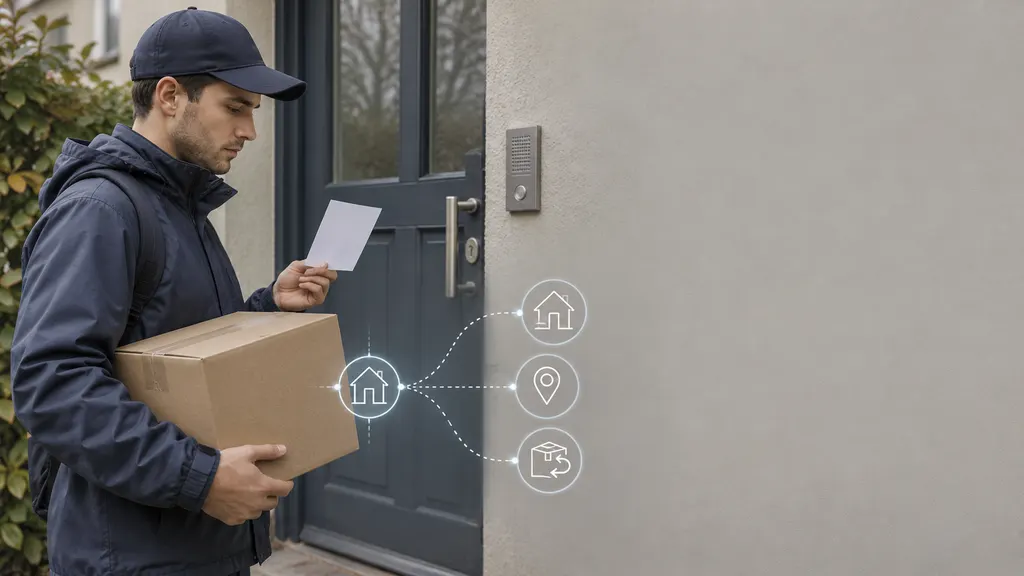
“Delivery attempt failed” means the driver or delivery network could not complete delivery on that occasion. It does not, by itself, tell you what happens next. A parcel may remain on a vehicle or at a local facility before another attempt. It may be taken to a pickup point. The carrier may also need an address correction or instructions before it can proceed.
The reason matters. A missed signature is different from an address the carrier cannot locate. If the parcel needs someone to sign, making sure the correct person is available may solve the problem. If the address is incomplete, waiting at home will not fix it; the carrier or sender may need to provide a correction. If access to the building was blocked, delivery instructions might help, but only if the carrier accepts them for that shipment.
Tracking labels are not perfectly standardized across carriers. “Attempted delivery,” “notice left,” “available for pickup,” “delivery exception,” and “return to sender” describe different stages or actions. Read the full event text, not just its headline, and look for a notice number, pickup location, deadline, or instruction to contact the carrier.
How many times will a courier retry?
Do not plan around a fixed number. Retry practices can vary by carrier, country, service, shipment type, local facility, and the cause of the failed attempt. Some shipments can be scheduled for redelivery; others may be directed to pickup instead. A carrier may also stop trying if it cannot deliver to the address supplied.
The useful question is not “How many attempts does every courier make?” but “What options are available for this tracking number?” Open the shipment on the carrier’s official website or app and check its delivery notice. If a redelivery option appears, review the available instructions and choose it before any stated deadline. If tracking says the parcel is being held, find out where it is, what identification is required, and when the hold ends. If the next step is unclear, contact the carrier using the contact details on its official site.
For example, USPS provides a redelivery service for eligible mail and packages after an unsuccessful delivery. Eligibility and the available next step must be checked for the specific item; the existence of a redelivery service is not a promise that every parcel will receive another automatic attempt. Other carriers may offer different choices. Follow the instructions for your shipment rather than applying one carrier’s process to another.
When does a parcel become return to sender?
A parcel can be returned when delivery cannot be completed under the carrier’s rules and no available remedy is used in time. Common situations include an undeliverable address, a pickup hold that expires, a delivery that cannot be accepted, or a shipment the recipient refuses. The carrier’s tracking or notice should indicate which situation applies, although updates can take time to appear.
“Return to sender” is more specific than “delivery attempt failed.” It usually indicates that the shipment has entered, or is being prepared for, a return process. It does not necessarily mean it has already arrived back with the seller. Look at the sequence of tracking events: an attempt, a pickup or hold notice, and a later return scan tell a different story from a single unsuccessful attempt followed by another delivery scan.
A hold deadline, where one applies, is especially important. Do not assume the clock starts on the day you first read the tracking page, or that every carrier will send another reminder. Use the date and instructions on the carrier’s official notice. If you cannot collect the parcel, ask promptly whether another authorized person can do so or whether redelivery is still available. The answer depends on the shipment and carrier.
What to do now, based on the tracking status
- Another delivery is indicated: Check whether a signature or secure access is needed. Make arrangements for the next attempt, and use the carrier’s official delivery-management options if the scheduled visit will not work for you.
- The parcel is available for pickup: Confirm the location, collection deadline, and identification requirements before traveling. A pickup notice is not the same as a promise of another doorstep attempt.
- The address is incorrect or incomplete: Contact the carrier promptly to ask whether a correction is possible. Also notify the sender. Depending on the shipment, the sender may have to request the change, and a correction may not be available once a return is underway.
- The driver could not access the property: Check any available delivery instructions and provide a usable access method through the carrier’s official channel. If the location cannot accept deliveries, ask about pickup or another permitted option.
- The status is unclear: Check the carrier’s own tracking page and any physical or electronic delivery notice. Have the tracking number ready when you contact support, and ask for the parcel’s current location and the last date to act.
- Return to sender is shown: Contact the carrier to confirm whether the return can still be stopped. Contact the seller or sender as well, since they may need to handle a replacement, refund, or new shipment after the parcel comes back.
If you track parcels through more than one delivery network, 17TRACK’s tracking page can help you follow shipment updates. For a time-sensitive redelivery request, address change, or pickup deadline, verify the details and act through the carrier’s official channels. A tracking service shows shipment information; it does not decide how many attempts a carrier will make.
Who should you contact: the carrier or the sender?
Start with the carrier when you need to understand a scan, locate a pickup point, check a deadline, or ask which delivery options are available right now. The carrier controls the physical delivery process and can tell you whether it accepts a redelivery request for that parcel. For some services, an online account or delivery-management tool may show options that are not apparent from a short tracking message. FedEx, for example, describes delivery-management options on its Delivery Manager page; the options offered for a particular shipment still need to be checked.
Contact the seller or sender when the address entered on the order was wrong, the carrier says only the sender can authorize a change, the parcel is already returning, or you need to discuss a refund or replacement. The sender’s ability to change delivery instructions is not unlimited, and the seller’s resolution depends on the order and its terms. Give them the tracking number and the exact status, rather than saying only that the parcel is late.
If a marketplace or retailer supplied the tracking link, check that link alongside the carrier’s own record. An order page may summarize an event without showing the full notice or pickup instructions. Conversely, a recent carrier scan might not yet be reflected on the store’s order page. When the two displays differ, ask the carrier about the shipment’s operational status and the seller about your order.
How to avoid losing the chance to receive the parcel
Act on an attempt notice as soon as you see it. First, identify the carrier from the tracking number or the order details; do not assume the company that handled an earlier leg will make the final delivery. Next, copy the precise status and any notice number. Check whether the shipment requires a signature, whether pickup is offered, and whether a date is listed. If you need to contact support, ask a direct question: “Is this parcel scheduled for another delivery attempt, available for pickup, or being returned?”
Use official sites or apps when submitting an address, requesting redelivery, or paying a charge. A text message claiming a failed delivery may be fraudulent, particularly if it demands immediate payment or sends you to an unfamiliar link. You can check the tracking number independently by typing the carrier’s website address yourself. Do not treat a message alone as proof that the parcel is about to be returned.
If the parcel is international, be careful not to interpret every delay as a failed doorstep attempt. A shipment might pass between postal or courier networks, and a later tracking event may identify the local delivery carrier. Customs or import-payment instructions are separate from a driver’s unsuccessful visit. Establish which organization currently holds the parcel and what action it requests before changing delivery plans.
The practical rule is simple: a failed attempt is a prompt to check, not a reliable countdown. The carrier’s specific notice tells you whether to wait for another visit, arrange redelivery, collect the parcel, correct a problem, or prepare for a return.
FAQ
Will the courier automatically try again tomorrow?
Not necessarily. Some shipments may receive another attempt, while others are held for pickup or require you to request redelivery. Check the latest carrier update for the next step and any deadline rather than assuming a visit is scheduled for the following day.
Can I collect a parcel after a failed delivery attempt?
Only if the carrier says it is available for pickup. Confirm the location and collection requirements first; a parcel marked “attempted delivery” may not yet be ready at a counter or pickup point.
Can an incorrect address be fixed before return to sender?
Sometimes, but corrections are not guaranteed. Contact the carrier immediately and inform the sender. The available options depend on the shipment and how far it has progressed through delivery or return.
What if tracking says return to sender but I still want the parcel?
Ask the carrier whether the return can still be stopped, then tell the sender what happened. If the return cannot be reversed, the sender will need to advise you on any replacement, new shipment, or order resolution.
Does a failed attempt mean I have to pay a redelivery fee?
Not by itself. Follow the instructions on the carrier’s official website or notice to see whether any charge applies to an option you choose. Treat unexpected payment requests in texts or emails with caution, and verify them independently with the carrier.